

Rules & Regulations
Know the facts – don’t be misled by common myths or confusion. Using an electric wheelchair or mobility scooter isn’t just about getting from A to B — it’s also about understanding the rules that keep everyone safe.
Across Australia, clear regulations exist to protect both users and the public. Whether you’re new to mobility aids or just need a refresher, here are the key rules for safe and legal travel.
UNDERSTANDING MOBILITY SCOOTER LAWS
Mobility scooters and electric wheelchairs give people with mobility needs greater independence and access to their communities.
These battery-powered devices allow users to safely travel on footpaths, cross roads, and navigate shops, parks and public areas.
Whether you’re heading to the chemist, visiting friends, or enjoying a day out, mobility aids make everyday life easier and more accessible.
To help everyone stay safe, it’s important to understand the basic road rules and courtesy guidelines when sharing space with pedestrians, cyclists and vehicles.

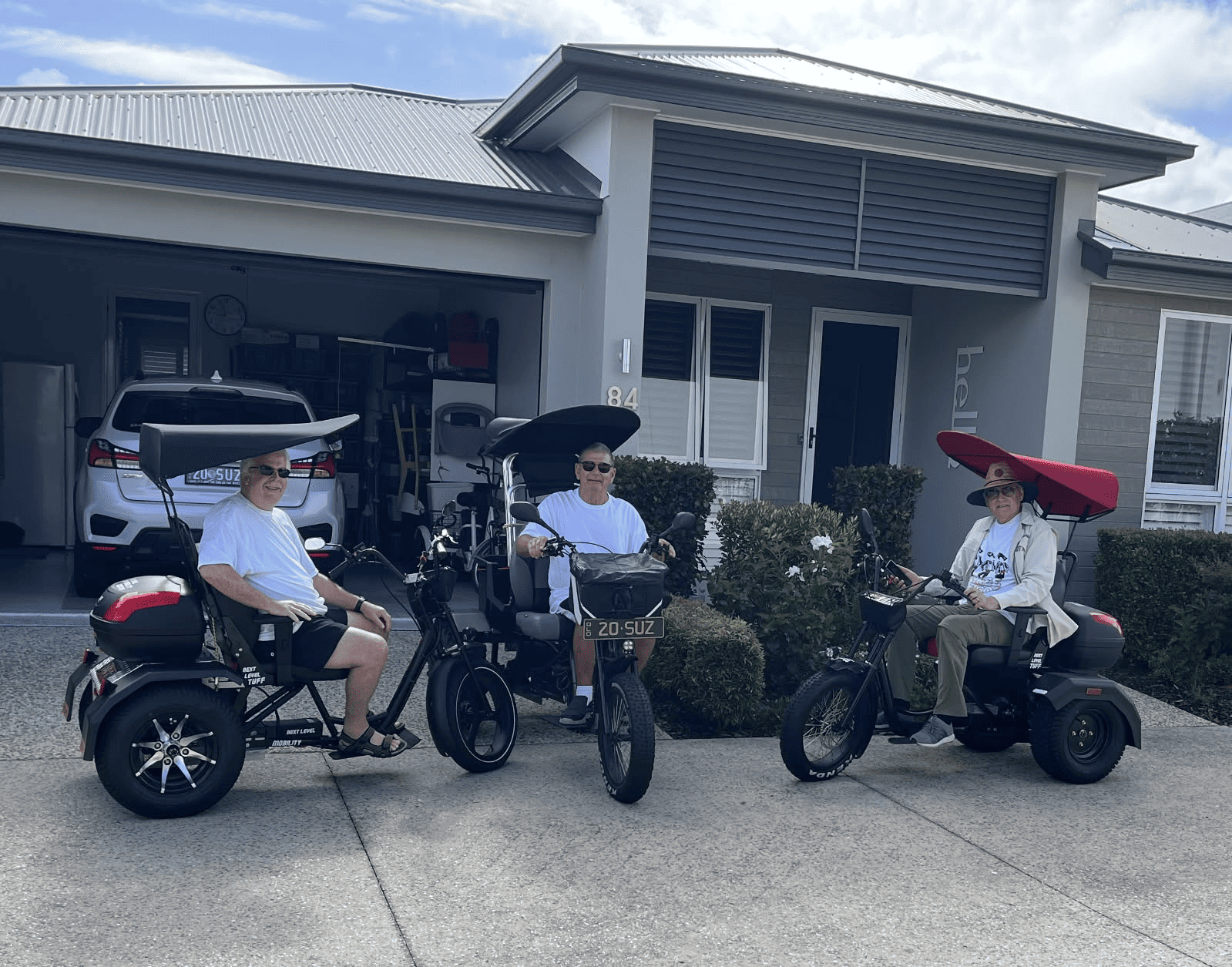
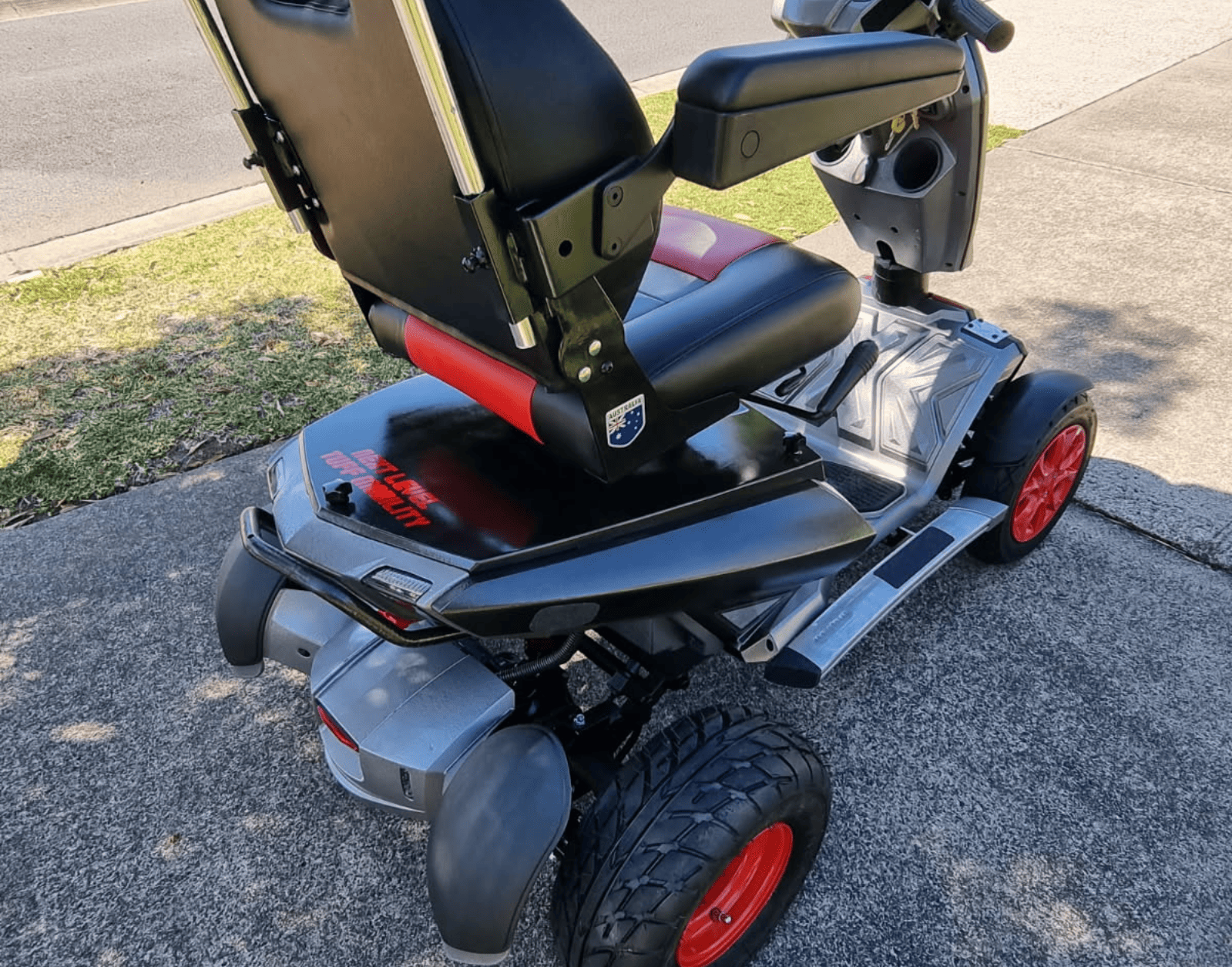
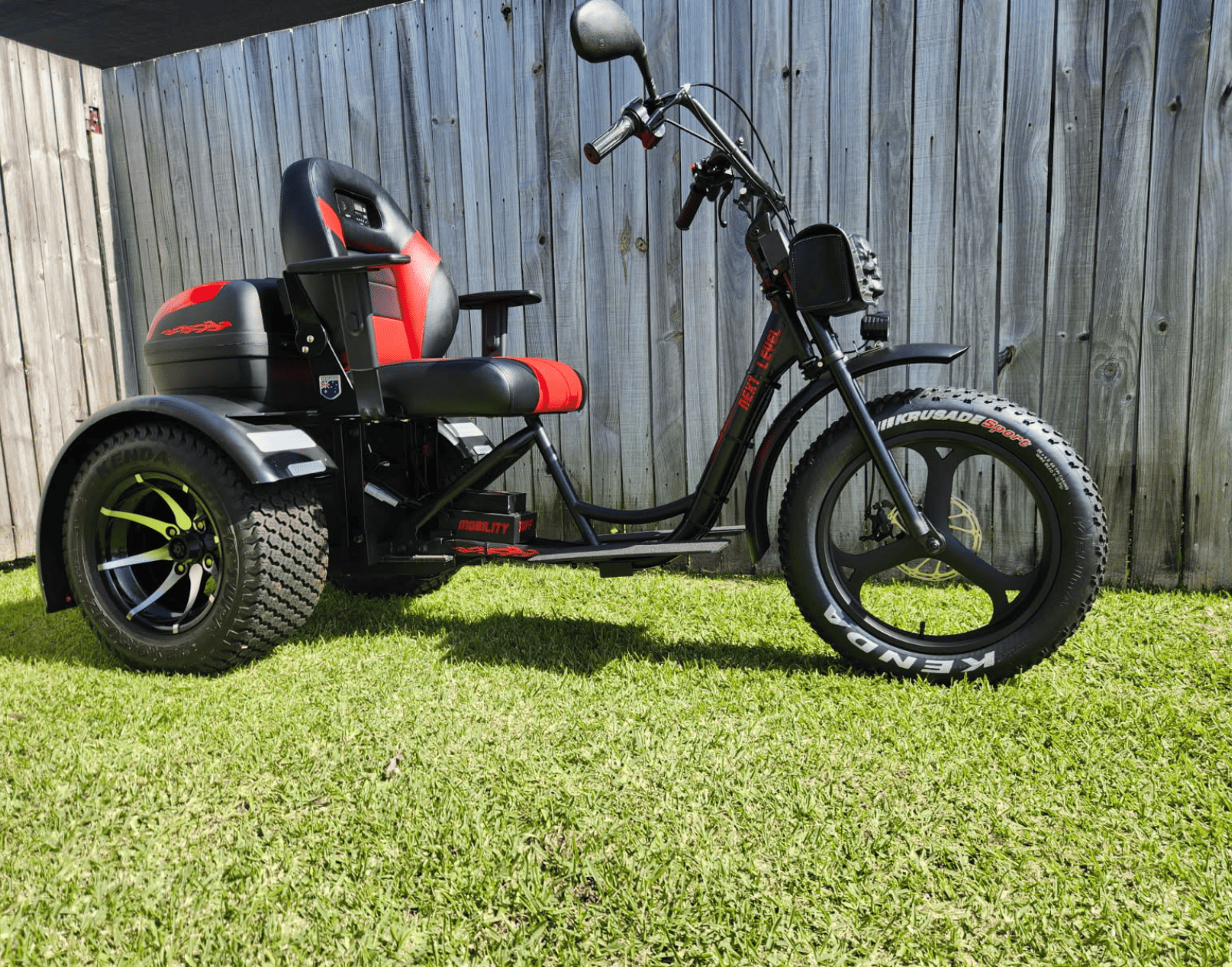
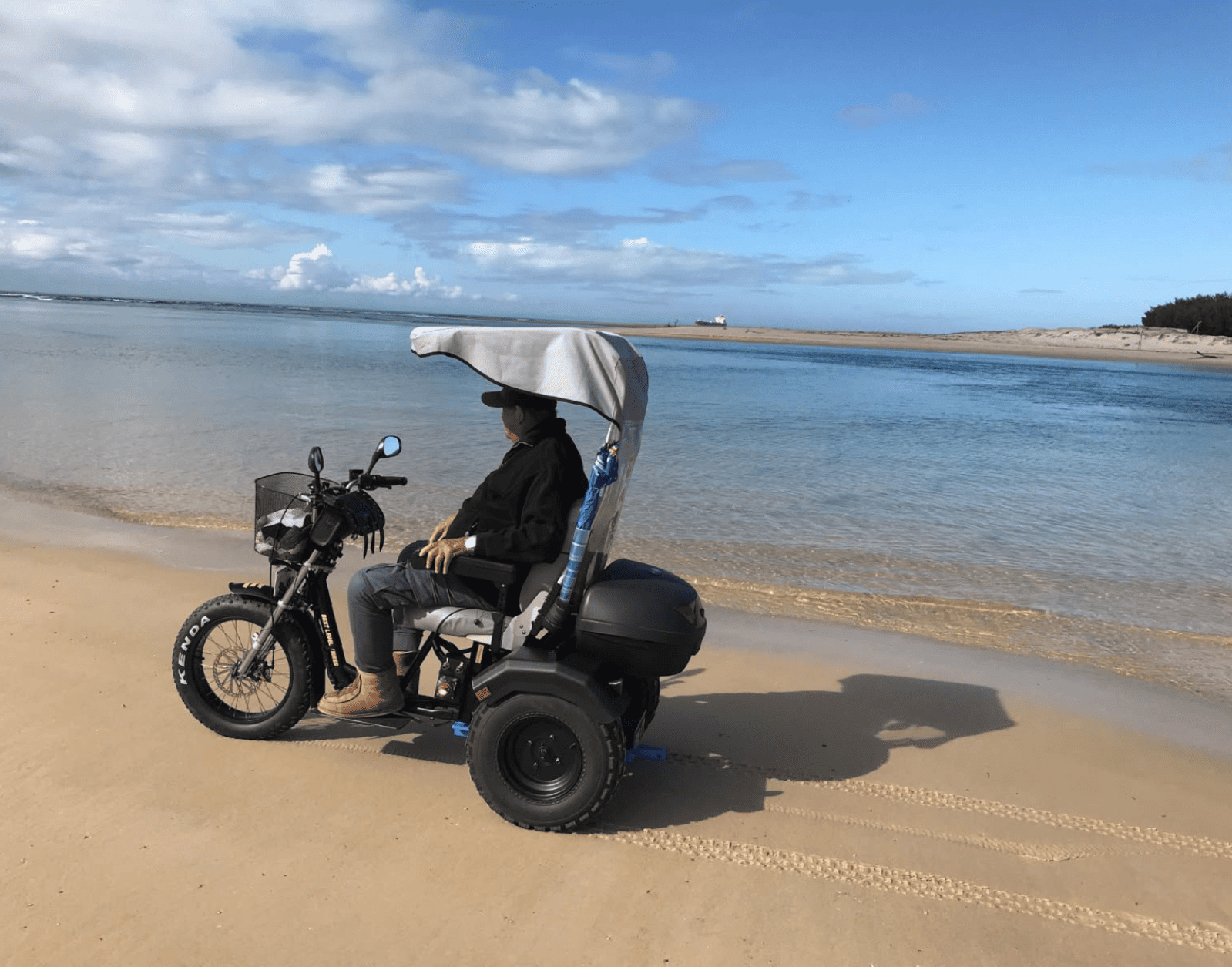
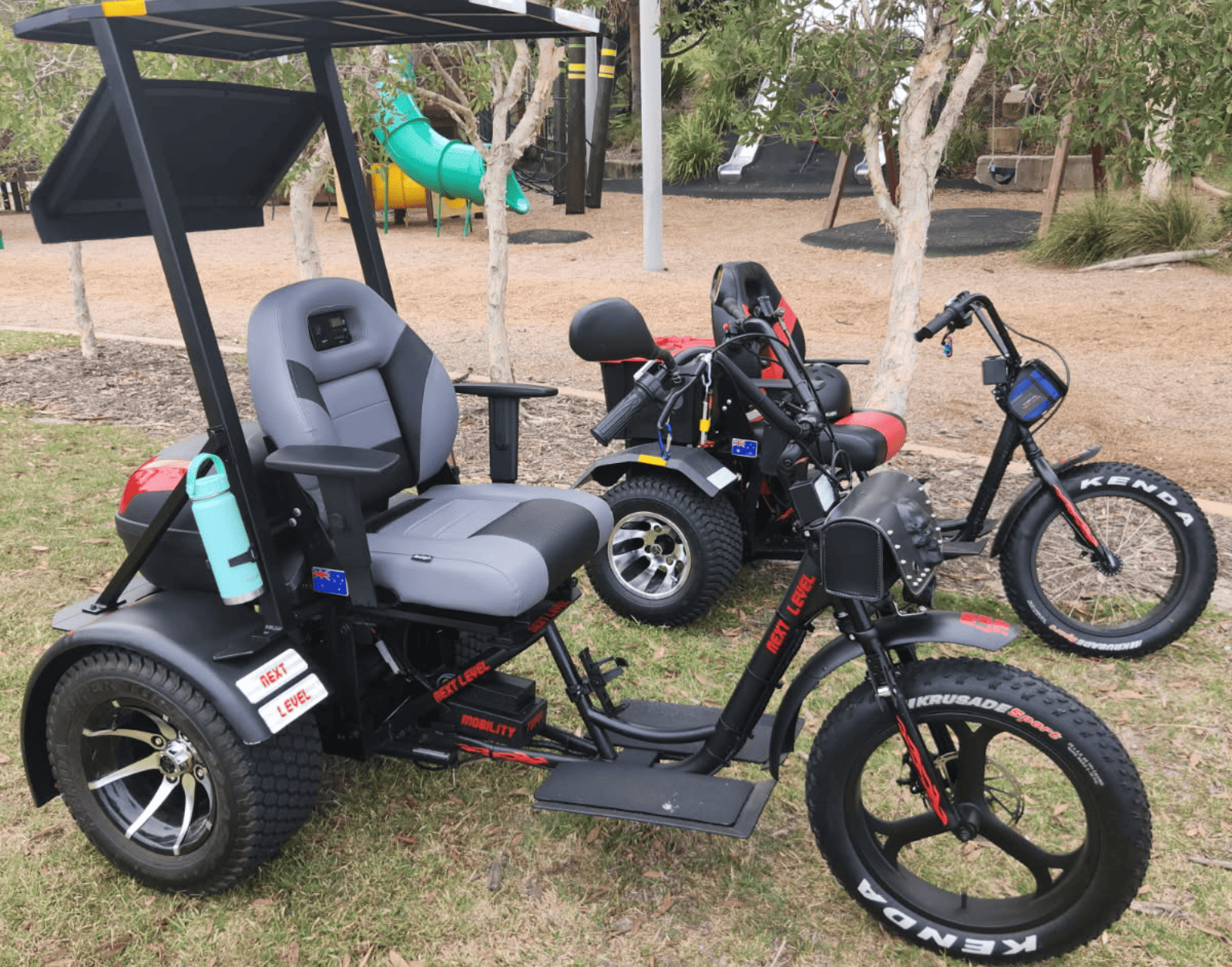
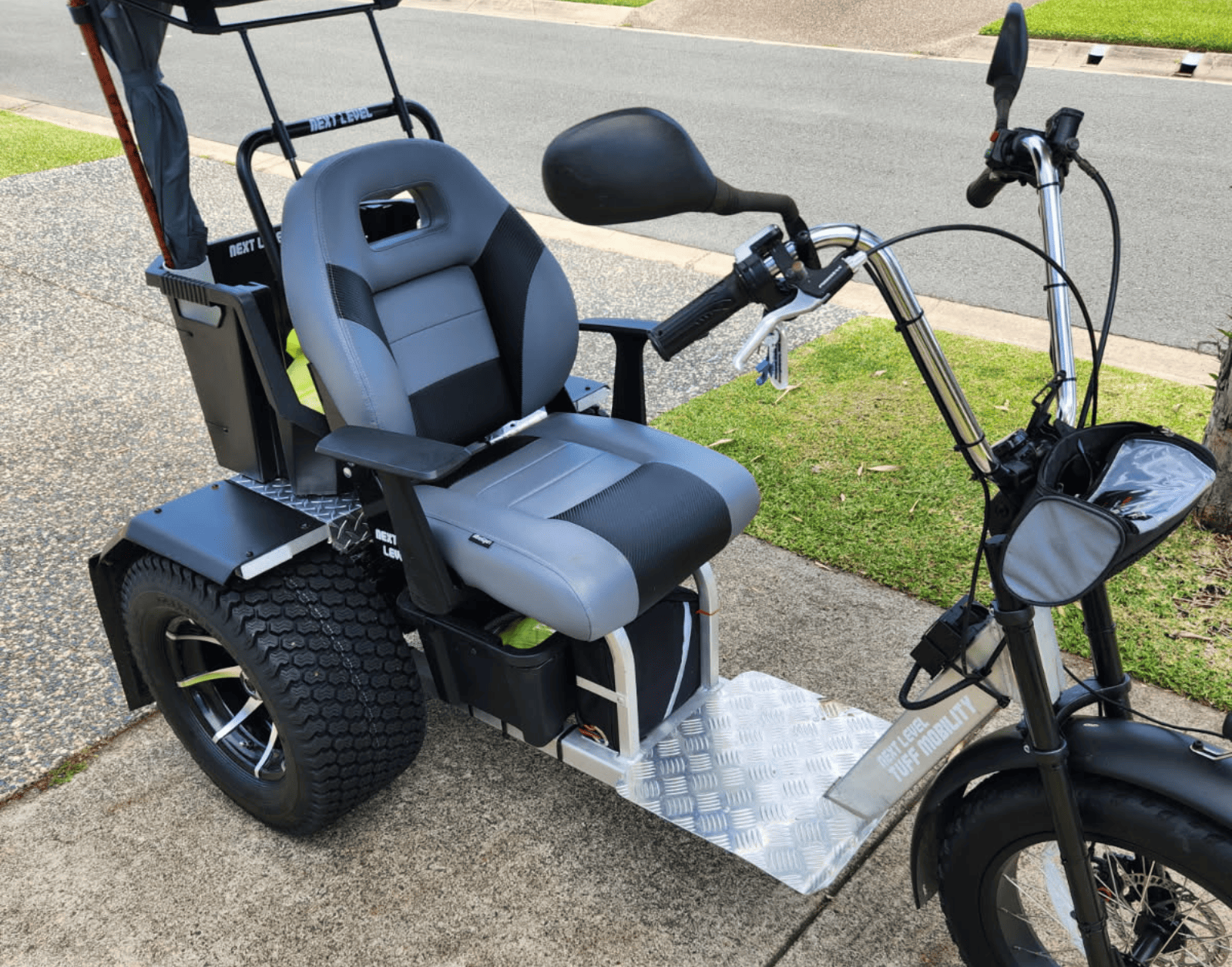
Road Rules & Code of Conduct in Australia
Who Can Use Them
Mobility devices are intended for people who require assistance due to mobility difficulties.
Speed Limit
Devices must not exceed 10 km/h on level ground.
Pedestrian Classification
Users are legally considered pedestrians.
Footpath Use
Always use footpaths where available and give way to pedestrians.
Substance Prohibition
Never operate mobility devices under the influence of alcohol or drugs.
Registration
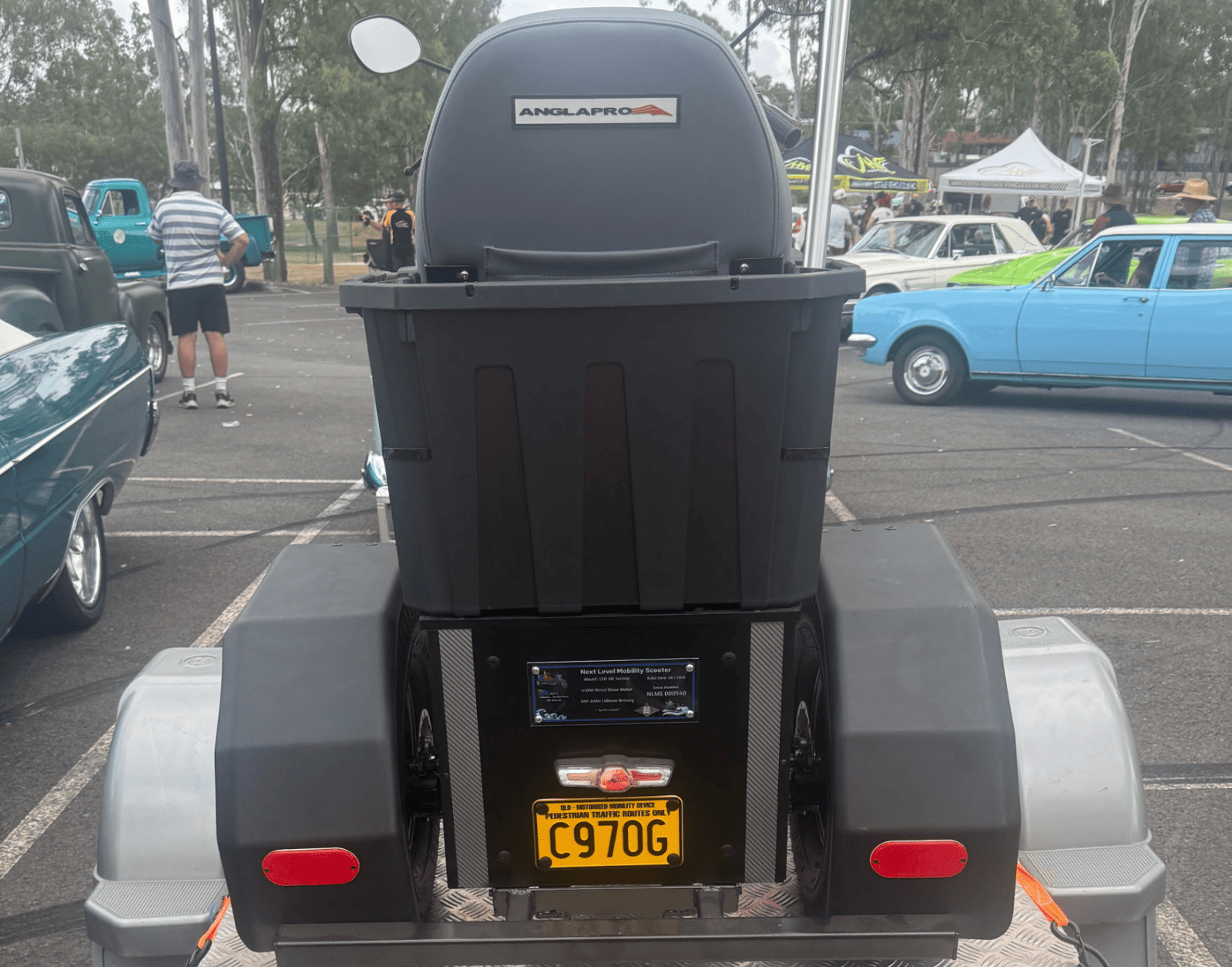
Registration requirements vary between states and territories.
State-Specific Guidelines

Mobility scooter regulations vary between Australian states and territories. While core safety rules remain similar, some regions have additional requirements such as registration.
Always check your local transport authority for the latest guidelines.
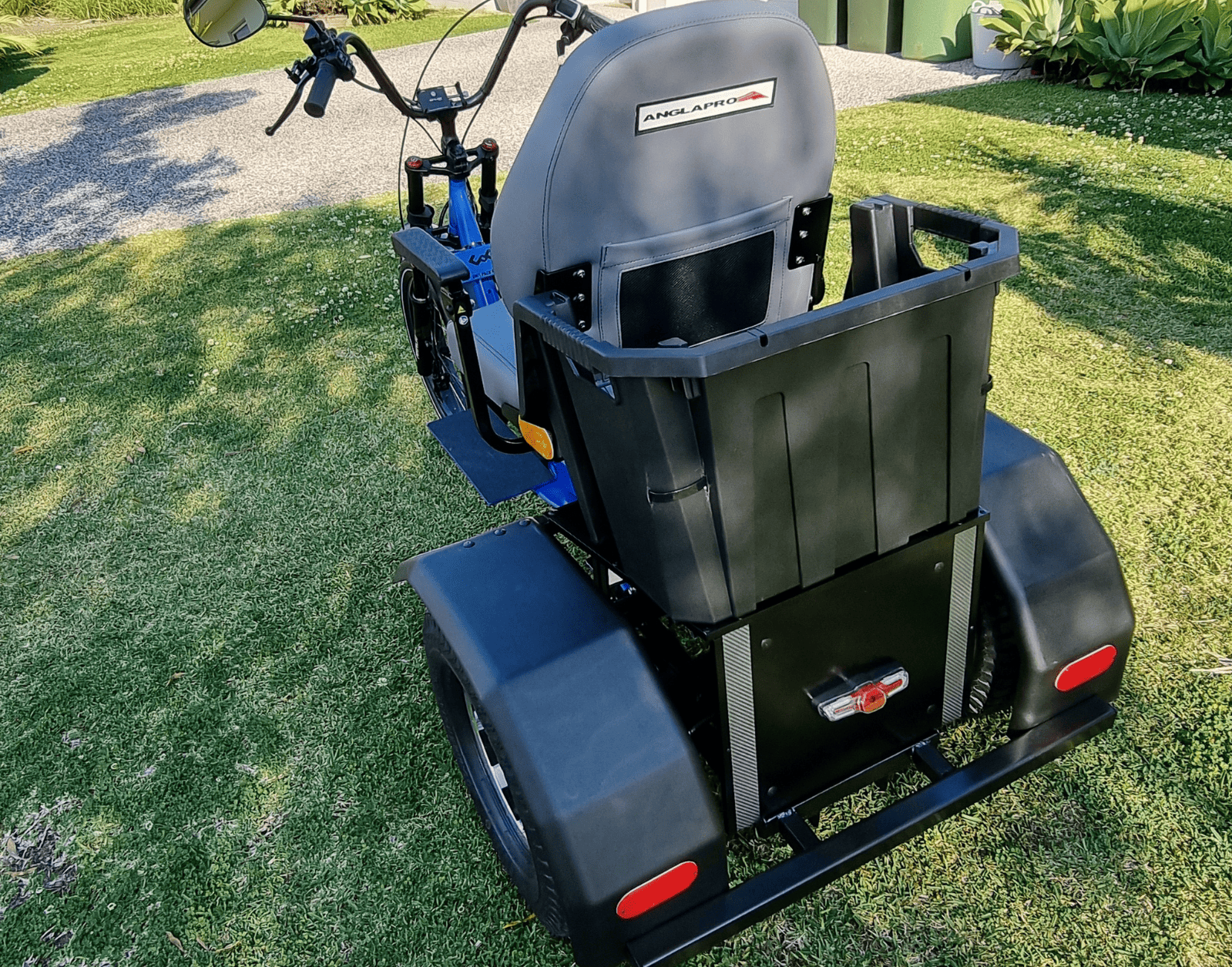
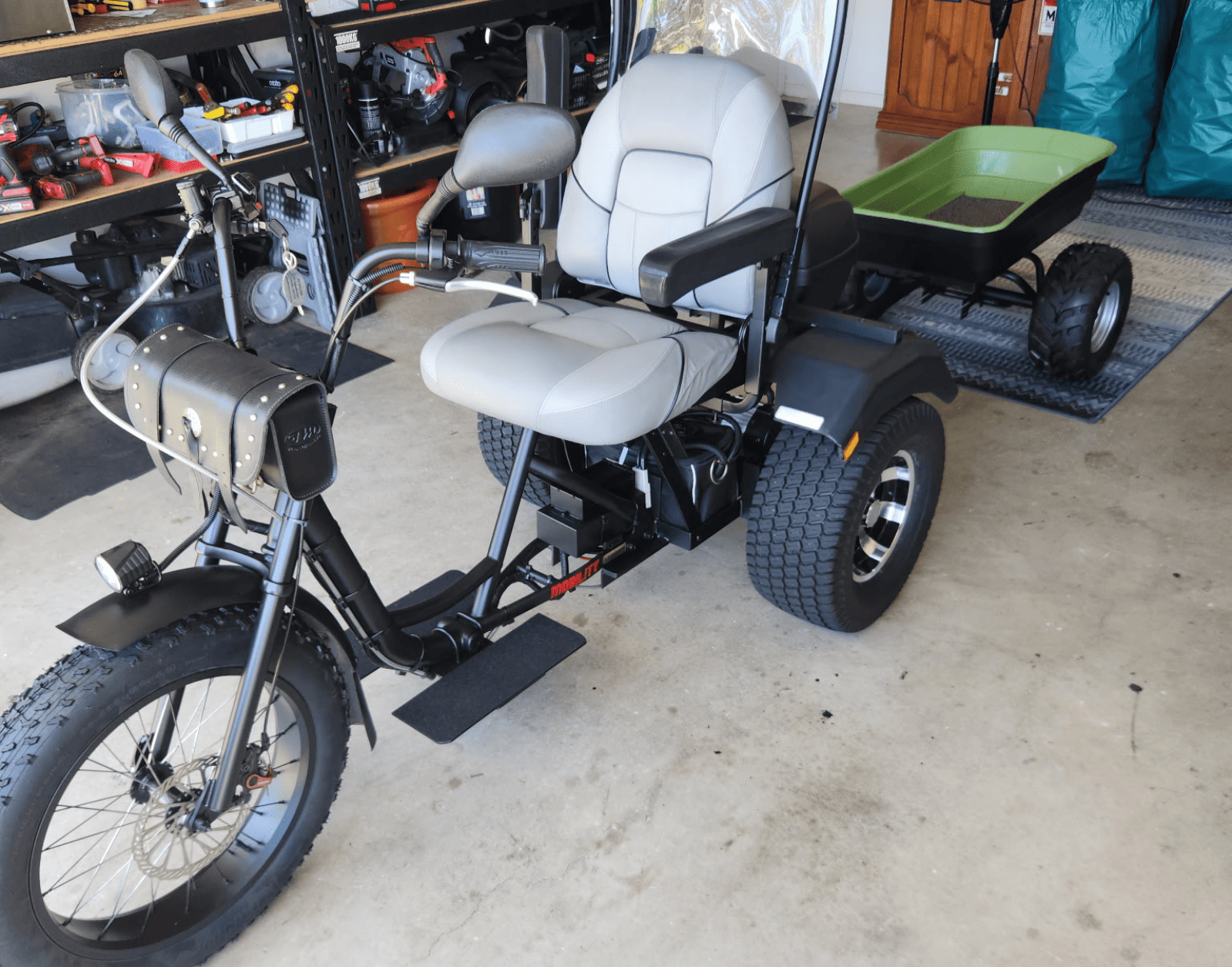
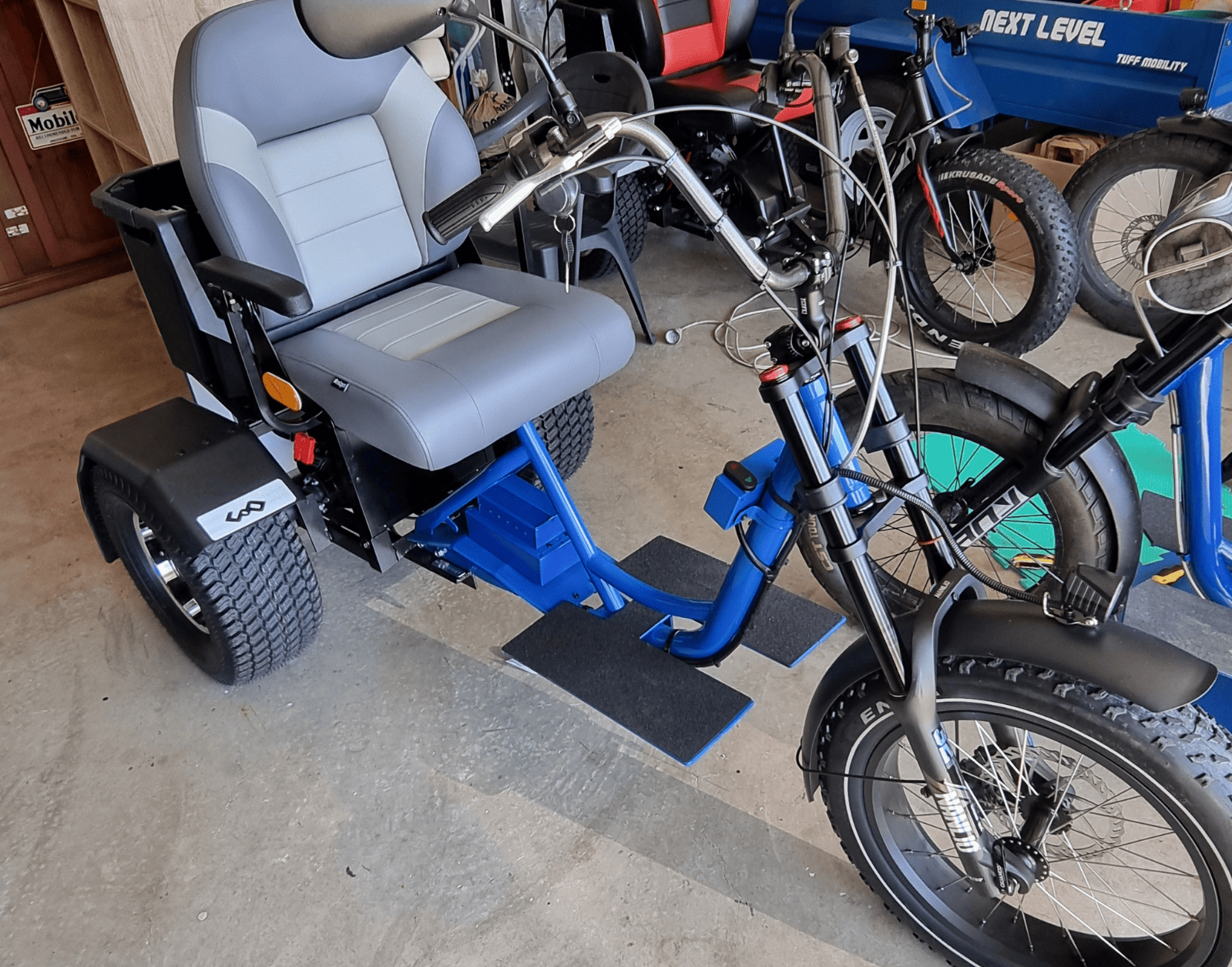
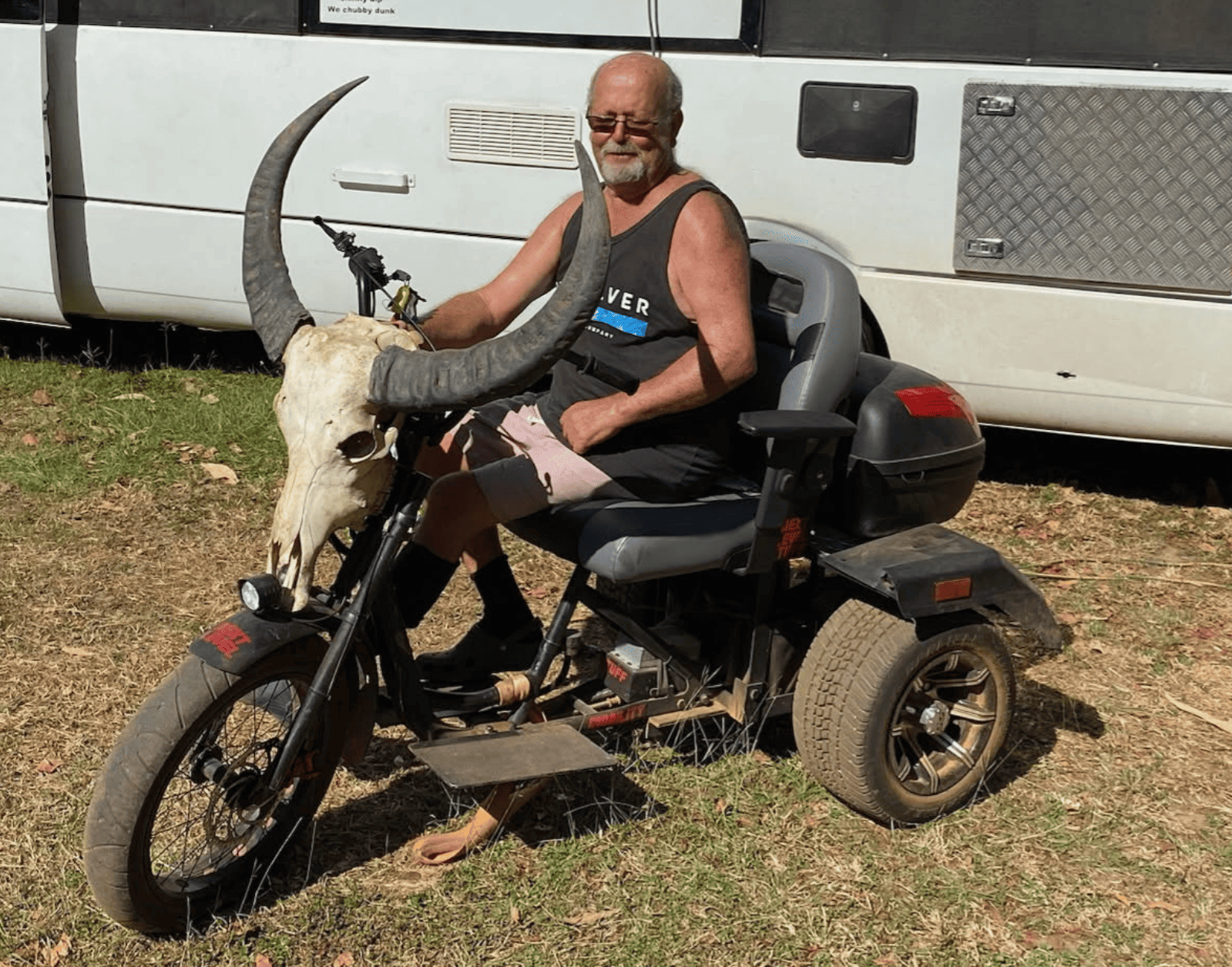
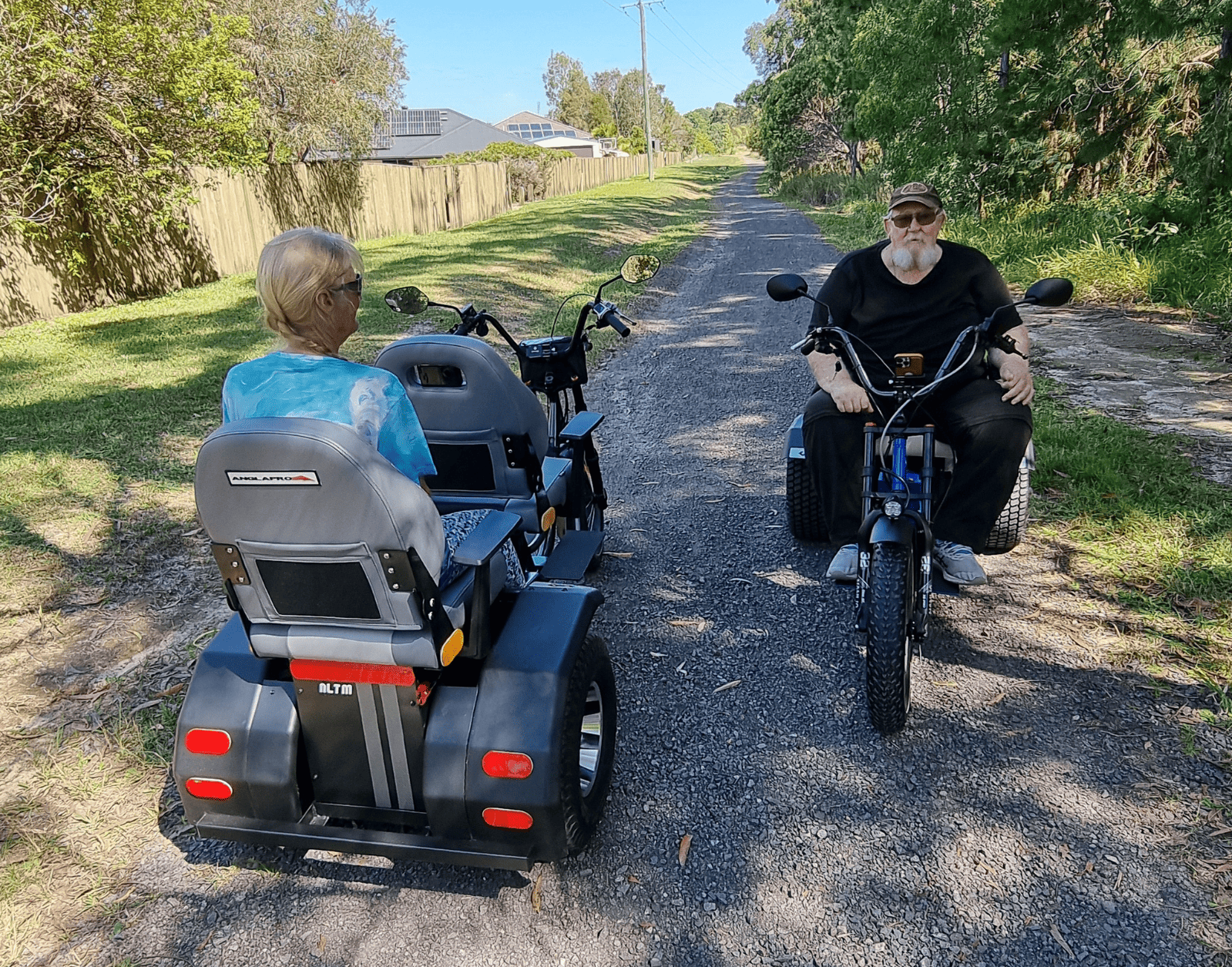
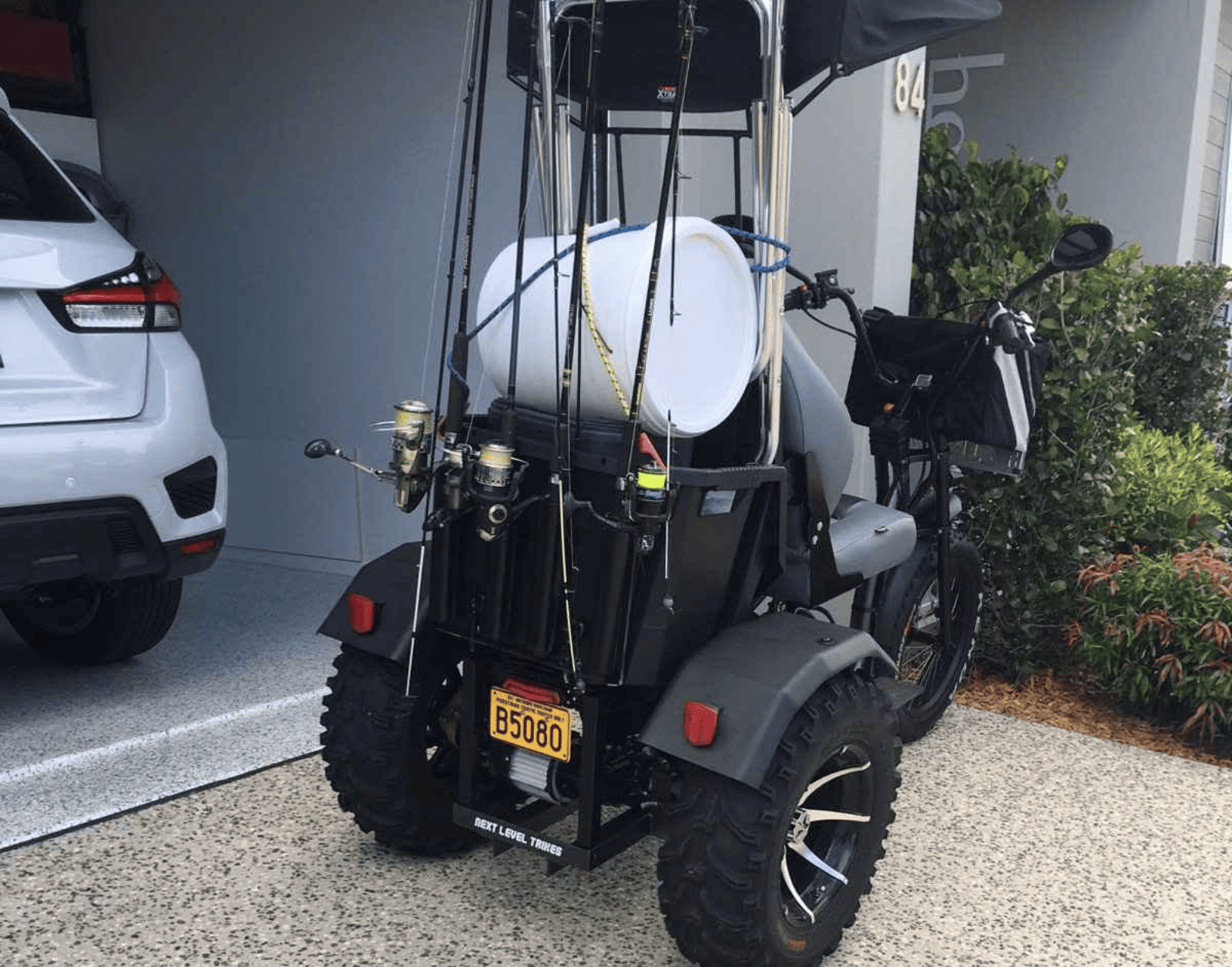
Queensland – Special Purpose EPACs & Electric Tricycles
This provides a clearer regulatory pathway for eligible electric tricycles and other Special Purpose EPACs, while setting specific requirements for their design, operation and compliance.
A Clearer Pathway for Electric Tricycles
Why this matters
Queensland – Special Purpose EPACs & Electric Tricycles
PEDALS REQUIRED
A Special Purpose EPAC must have pedals.
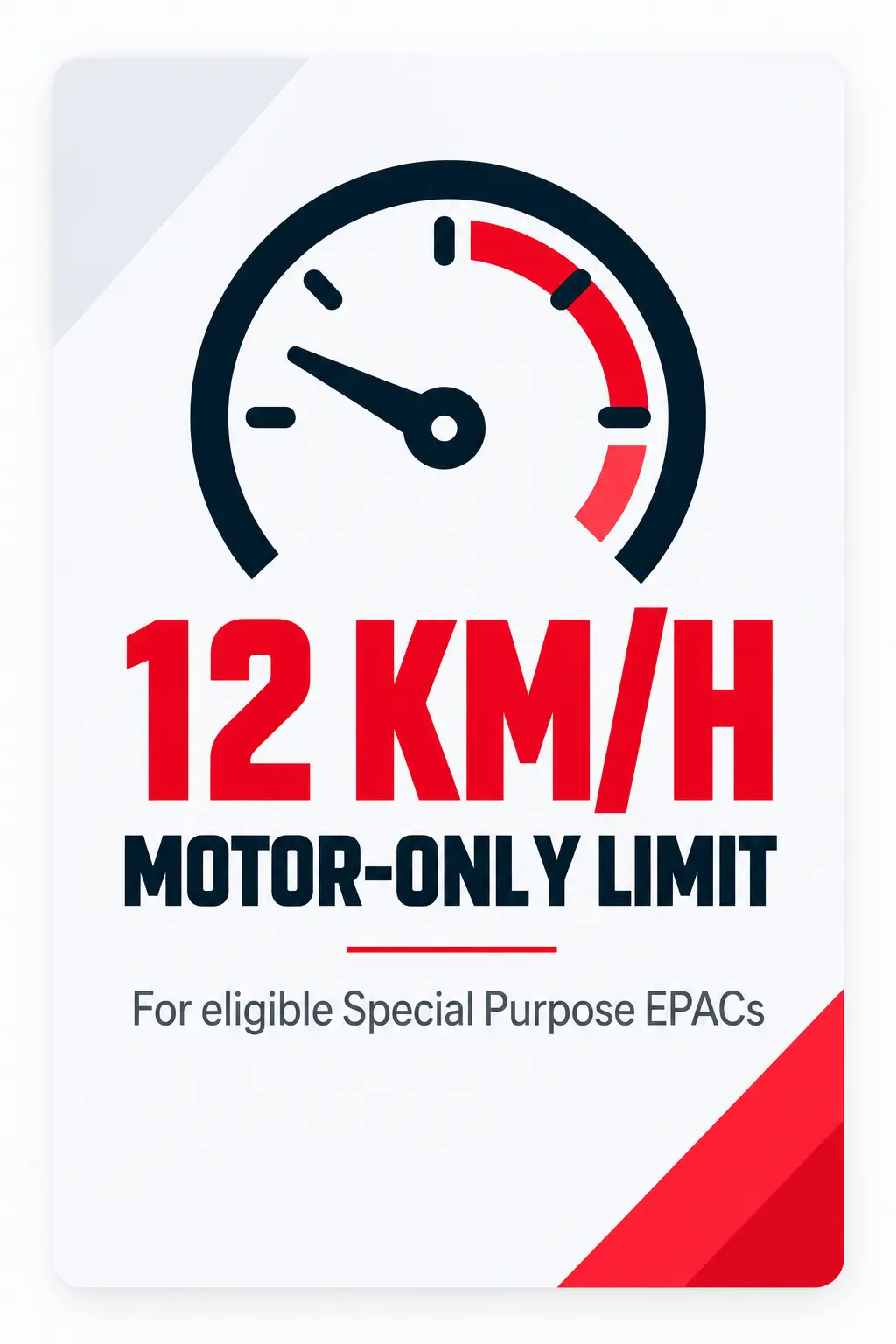
12 KM/H MOTOR-ONLY LIMIT
25 KM/H ASSISTANCE LIMIT
IMPORTANT COMPLIANCE REQUIREMENT
A Special Purpose EPAC must not have a feature that allows the prescribed speed limitations to be bypassed, disengaged or overridden, except where the feature is used to set a lower speed limitation.
Queensland – Special Purpose EPACs & Electric Tricycles
For an eligible Special Purpose EPAC, motor-only operation is limited to a maximum of 12 km/h. The vehicle must have pedals, and auxiliary electric motor assistance must cut off once the vehicle reaches 25 km/h.
These requirements are part of Queensland’s regulatory framework for Special Purpose EPACs and are designed to ensure that eligible vehicles operate within the prescribed safety and compliance limits.
WHAT ABOUT MOTOR POWER?
It is important to distinguish Special Purpose EPACs from other categories of e-bikes covered by Queensland’s rules. Queensland’s standard e-bike requirements generally include a maximum continuous rated motor power of 250 watts and motor assistance up to 25 km/h. However, the regulations prescribe separate characteristics and limitations for Special Purpose EPACs, including the specific 12 km/h motor-only requirement and 25 km/h assistance cut-off. This means the requirements applying to a standard e-bike should not automatically be treated as identical to those applying to an eligible Special Purpose EPAC.
WHY THIS IS GOOD NEWS
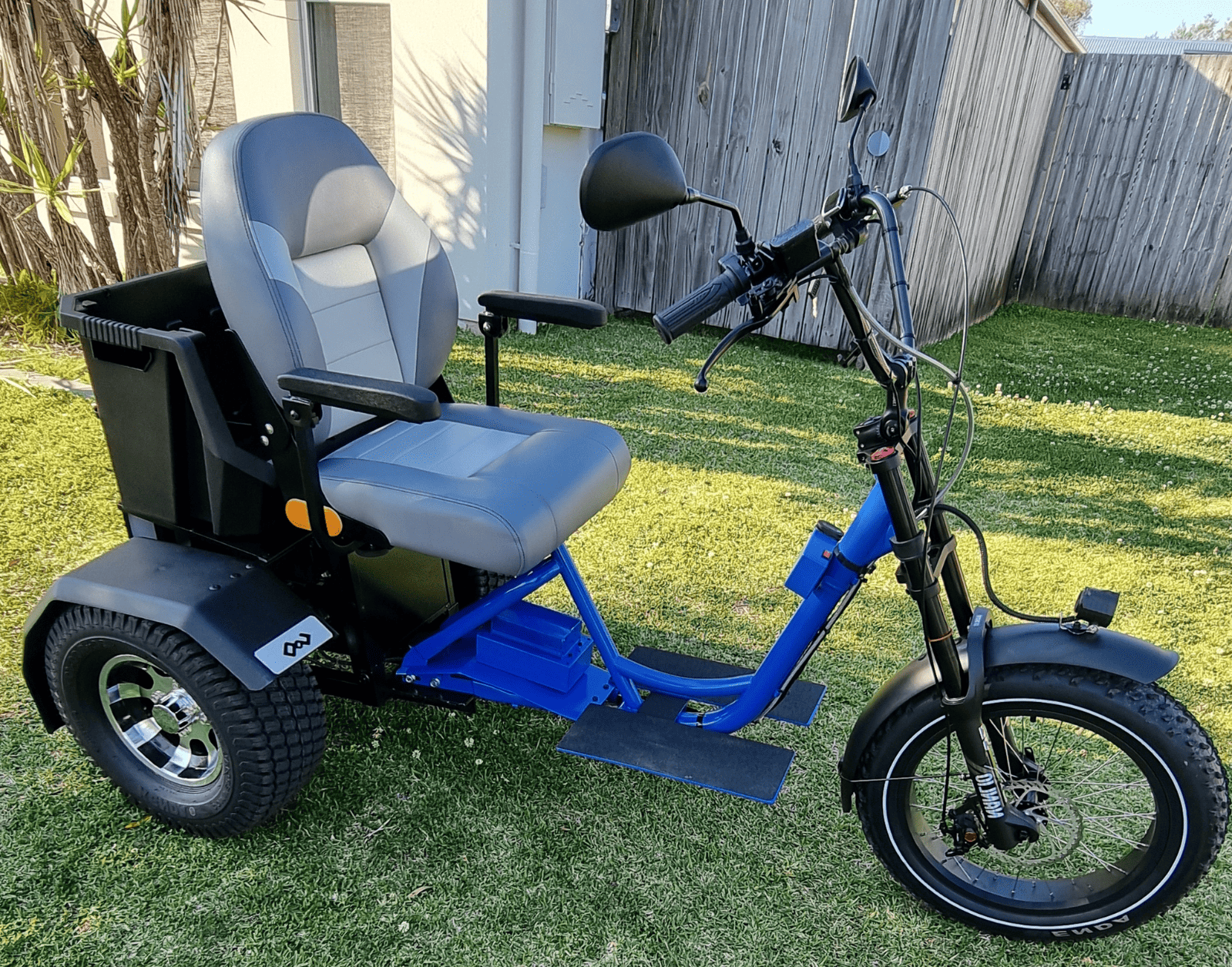
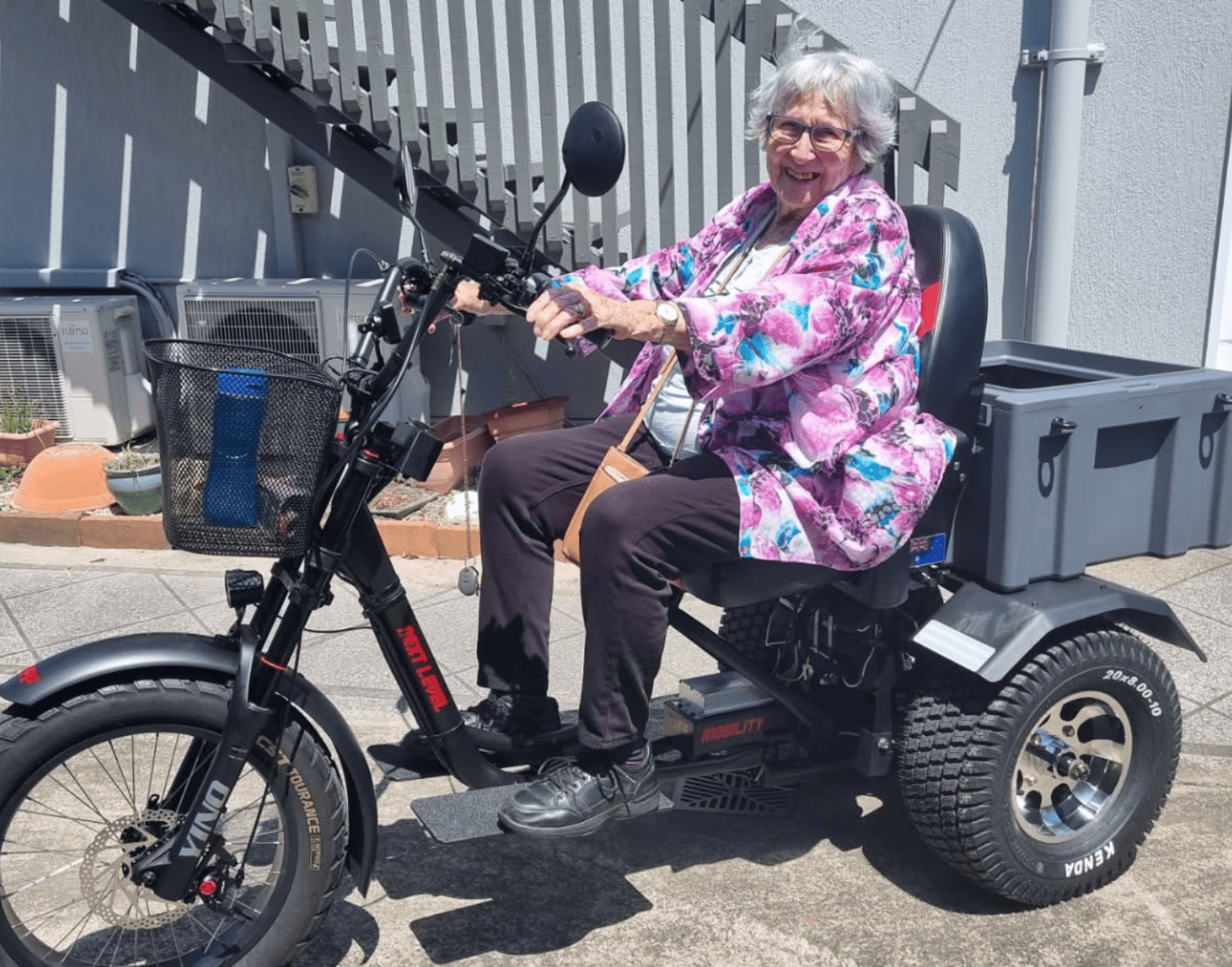
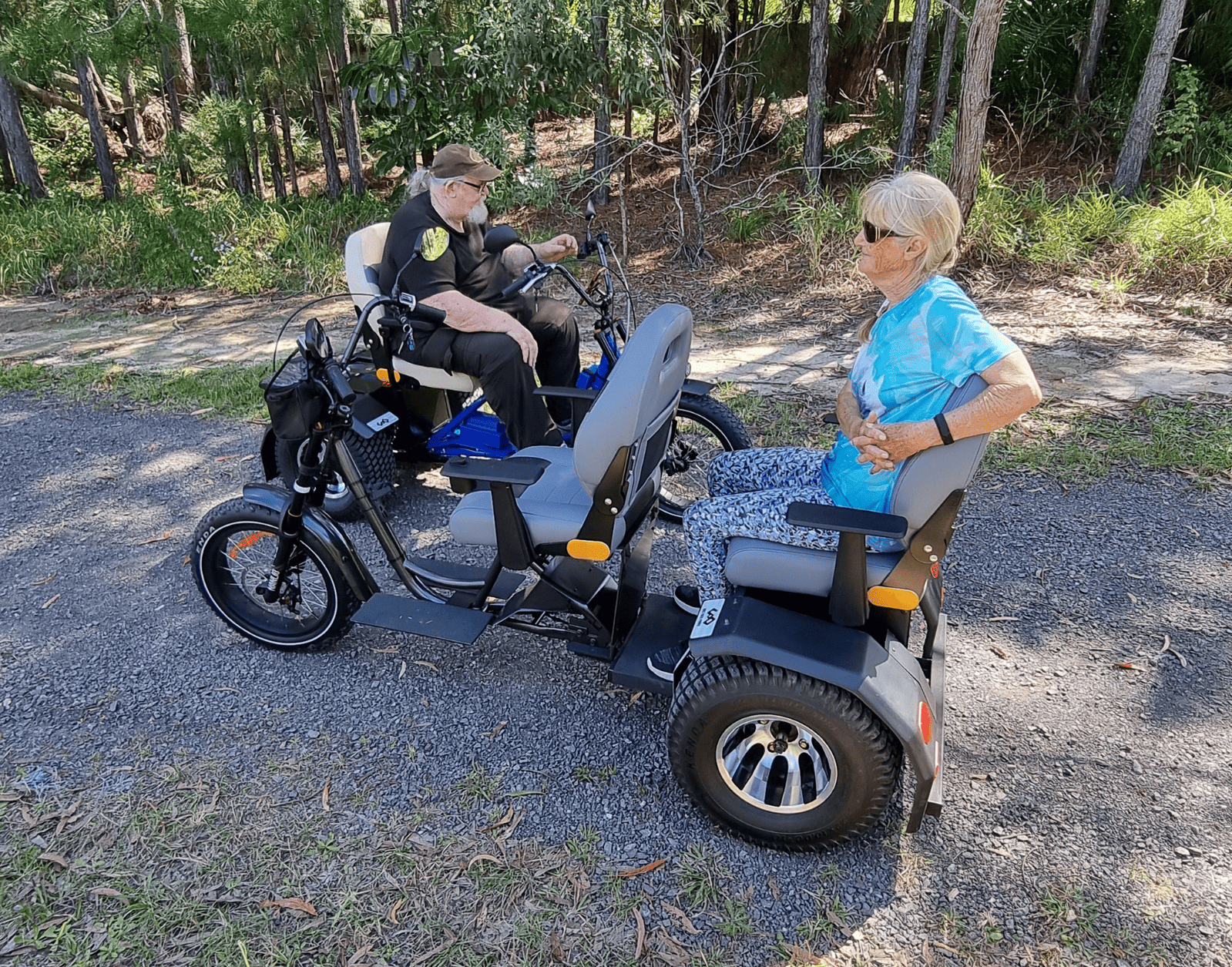
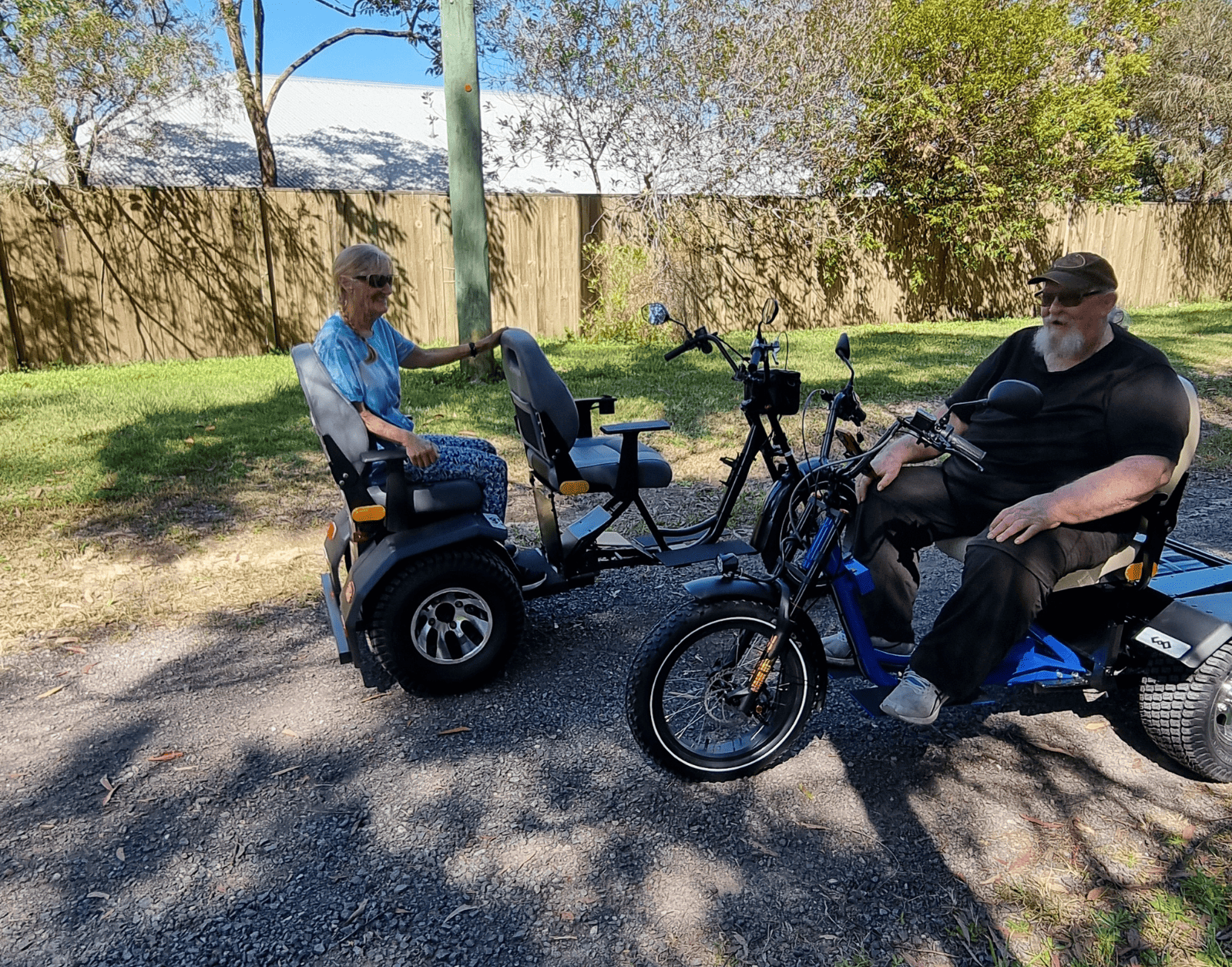
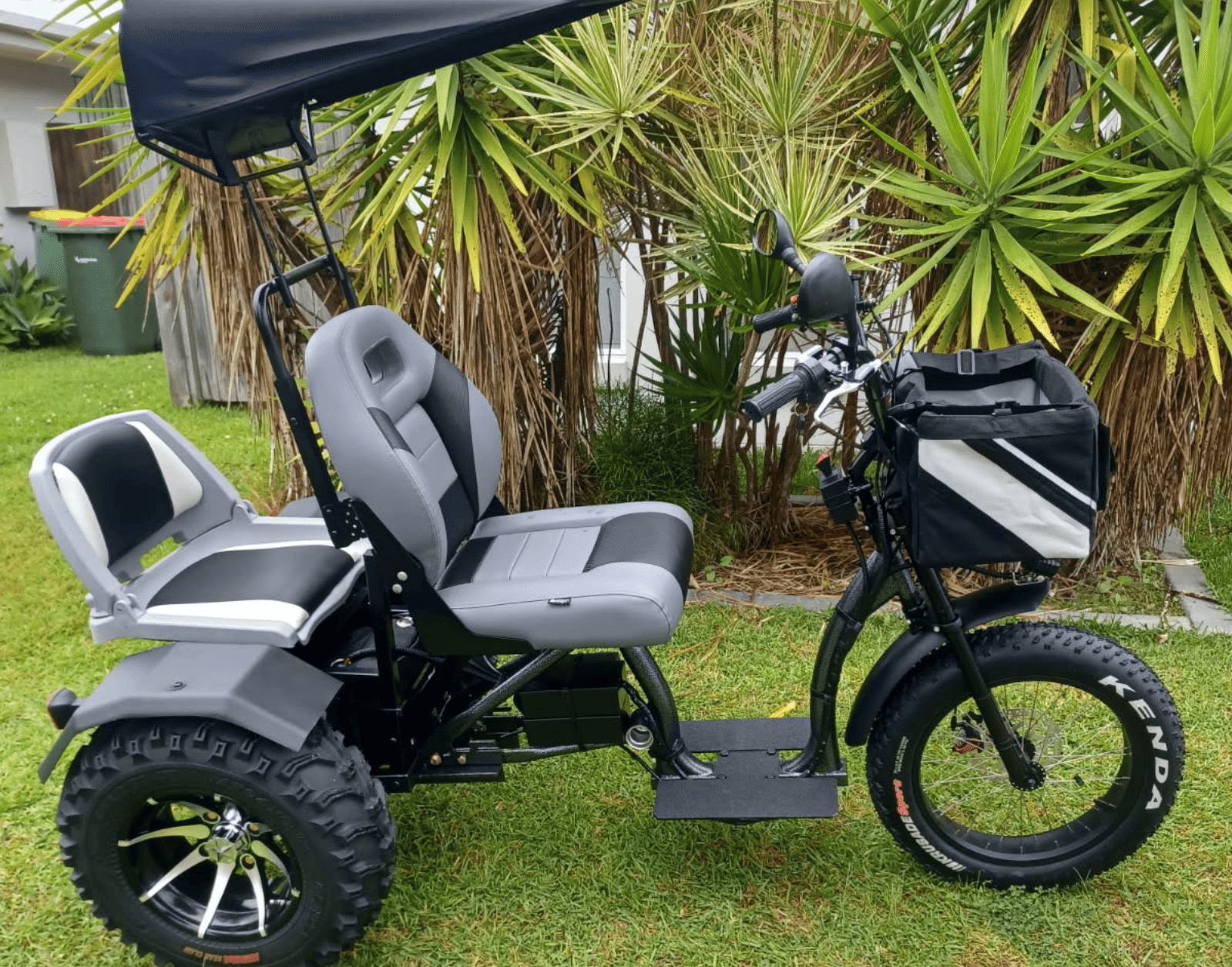
The Special Purpose EPAC framework provides a clearer regulatory pathway for eligible electric tricycles designed to support people with a disability or medical condition. For many riders, a three-wheel electric tricycle can provide stability, accessibility, and a more supportive riding position than a conventional two-wheel bicycle. This can be particularly valuable for people who experience challenges with balance, strength, mobility, or safely mounting and riding a conventional bicycle. The new framework provides greater clarity around the requirements that eligible Special Purpose EPACs must meet to be used in Queensland.
Moving your mobility device
Requirements may vary depending on the vehicle and its specifications. Always confirm that your particular vehicle meets the applicable Queensland requirements before using it in public.
Moving your mobility device
Protect Electronics
Remove the ignition key and isolate the battery.
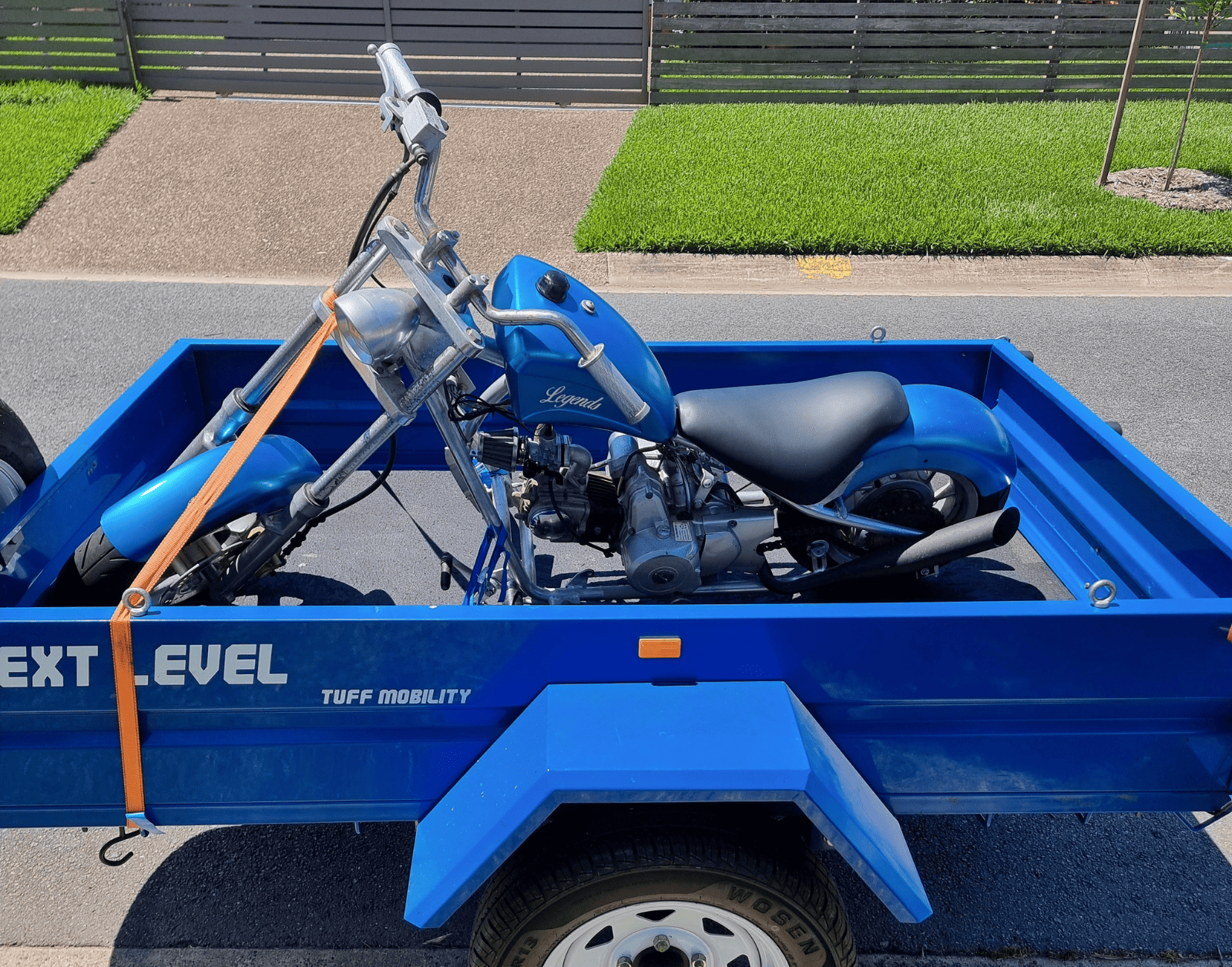
Use a Ramp or Trailer
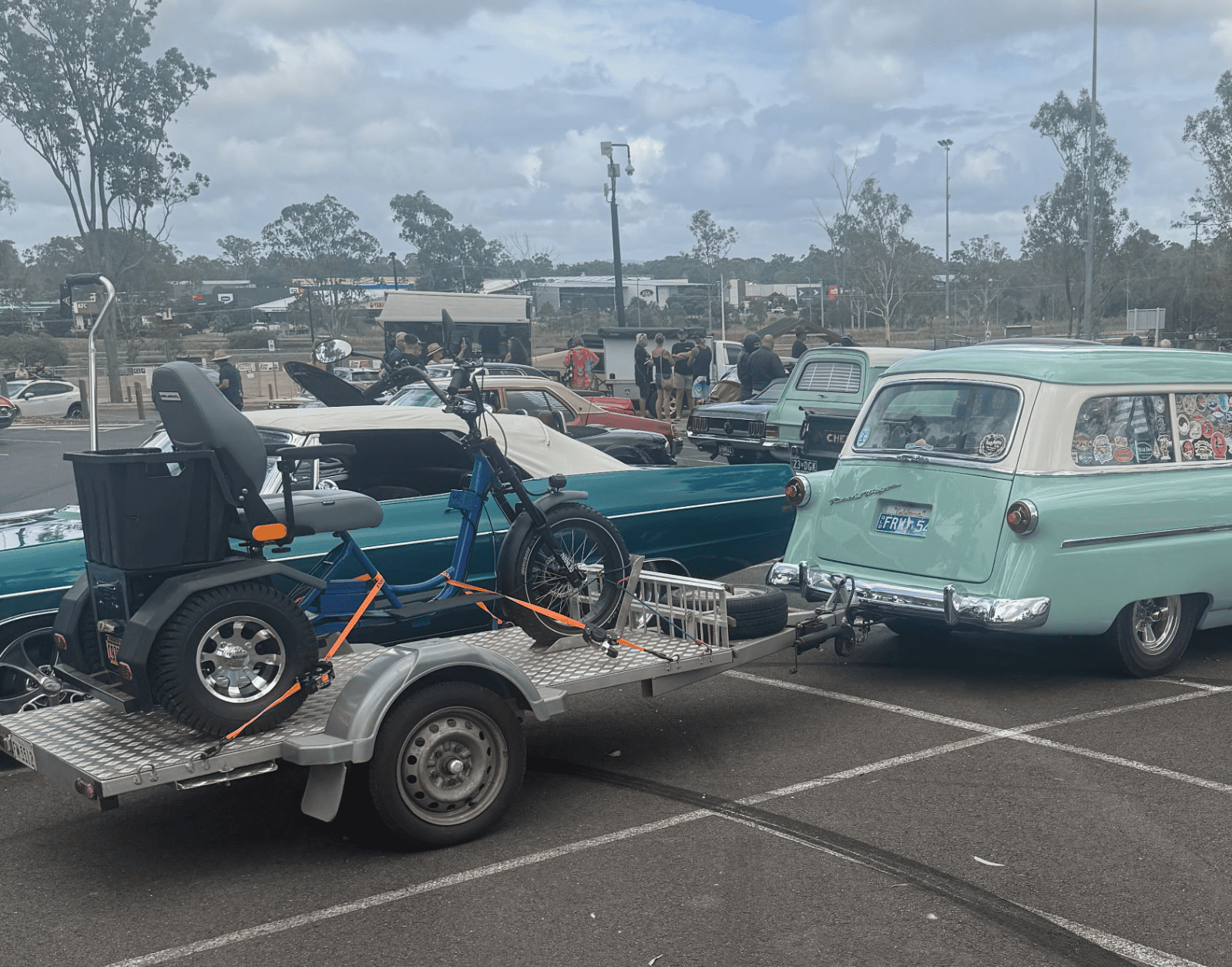
Use mobility-specific trailers and loading ramps.
Check Weight
Ensure your vehicle or trailer can support the device.
Secure the Device
Use heavy-duty straps to prevent movement during transport.
CONTACT US
Get in touch with our team for pricing, product information, and support.