
Source: https://www.trike-bike.com.au/ride-together-safely-passenger-electric-trikes-australia
Ride Together Safely: Why Passenger Electric Trikes Need More Than Just a Rear Seat
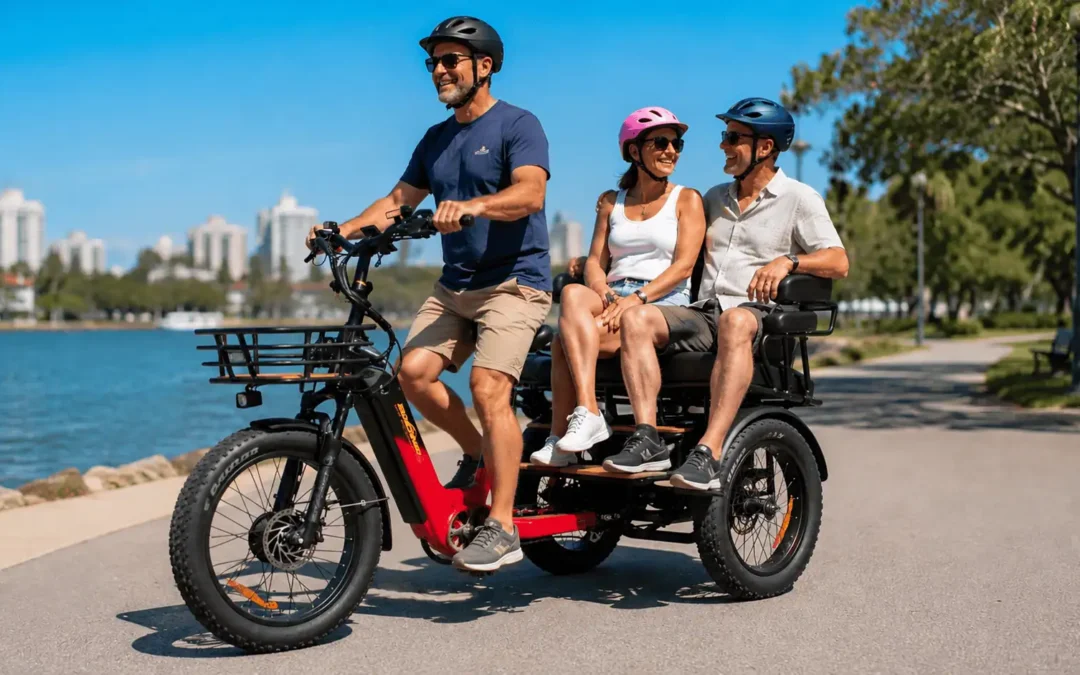
Electric passenger trikes are becoming more popular in Australia because they offer something very different from a normal electric bike or adult tricycle. They allow two people to enjoy the ride together — not just carry a load, not just get from A to B, but actually share the experience.
This is a category we strongly believe in. Whether it is a couple riding along the beachfront, a family member helping someone stay mobile, or a rider taking a passenger for a relaxed weekend outing, the idea of “ride together” is powerful.
But there is one very important point that must not be overlooked:
Not every tricycle with a rear seat is safely designed to carry an adult passenger.
At Trike Bike Australia, we believe passenger-carrying electric tricycles need to be assessed very carefully. A rear seat alone does not make a trike suitable for carrying another adult. The entire tricycle must be designed around passenger weight, stability, braking, frame length and safe weight distribution.
The Difference Between Carrying a Passenger and Riding Together Safely
There is a big difference between adding a passenger seat to a compact electric trike and designing a proper passenger electric tricycle from the ground up.
A true passenger trike needs to consider:
- Where the passenger sits in relation to the rear axle
- The length and stability of the frame
- The total weight rating of the tricycle
- The braking system
- The strength of the rear passenger platform
- How the trike behaves when the passenger gets on first
- Whether the trike can remain stable without the rider seated
These are not small details. They are major safety factors.
The Rear Axle Problem: Why Smaller Passenger Trikes Can Tip Backwards
One of the most important safety issues with compact passenger-seat trikes is the position of the rear seat.
On some smaller electric tricycles, the passenger seat is positioned behind the rear axle. This can create a serious stability problem, especially if an adult passenger sits on the rear seat before the rider is seated at the front.
When too much weight is placed behind the rear axle, the tricycle can become rear-heavy. In some situations, this can cause the front of the tricycle to lift or the trike to tip backwards.
This is why we do not believe every electric trike with a passenger seat should automatically be considered suitable for carrying an adult passenger.

A passenger seat should not just look comfortable — it needs to be safely positioned and supported by the overall trike design.
Why the Sobowo Polar Bear Is Our Preferred Passenger Electric Trike
The Sobowo Polar Bear is different because it is not simply a standard compact tricycle with a seat added to the back. It is a larger, longer, purpose-built passenger and cargo electric trike.
The longer frame gives the Polar Bear a more stable platform for carrying passengers. Because the trike is physically longer and designed around passenger and cargo use, it greatly reduces the rear tipping concerns found on smaller rear-seat tricycles.
This is one of the main reasons we recommend the Polar Bear when customers ask about carrying another person.
It is designed for real passenger use, not just occasional light-duty carrying.
Side-by-Side Safety Comparison
| Safety Feature | Sobowo Polar Bear | Smaller Rear-Seat Trikes |
|---|---|---|
| Passenger design | Purpose-built passenger and cargo trike | Often compact trikes with rear seating added |
| Frame length | Longer, more stable platform | Shorter frame and wheelbase |
| Passenger seat position | Better suited to passenger/cargo stability | Passenger may sit behind the rear axle |
| Rear tipping risk | Much lower due to longer design | Higher risk if an adult sits on the rear before the rider is seated |
| Adult passenger suitability | Our preferred recommendation | Needs careful assessment |

Example of a compact (bad) rear passenger-seat design.
When evaluating any passenger electric tricycle, it is important to consider where the passenger’s feet are positioned, how much space is available between the passenger and rider, whether hand placement is protected from moving wheels and spokes, and how the tricycle behaves when passengers are seated before the rider mounts the vehicle.
Compact rear-seat designs as shown above will position passengers further behind the rear axle, which can alter weight distribution and stability characteristics. Passenger comfort should also be considered, including foot support, leg room, seating position and the amount of personal space available between the rider and passenger.
Before purchasing any passenger-carrying tricycle, we recommend carefully assessing passenger comfort, foot support, hand protection, stability, braking performance and overall safety. Did you know that because of the extra weight carried by a Polar Bear tricycle that it has 4 piston brake calipers, not to piston brake calipers like other tricycles.
Not Every Passenger Seat Is Equal
It is easy to look at an electric trike online and assume that if it has a rear seat, it must be safe for carrying another adult. Unfortunately, that is not always the case.
Some smaller rear-seat trikes may be suitable for carrying children or lighter passengers within the manufacturer’s limits. However, we believe adult passenger use requires a much higher level of stability and design consideration.
Before buying any passenger electric trike, ask these questions:
- Is the trike specifically designed to carry a passenger?
- What is the passenger weight rating?
- Where does the passenger sit in relation to the rear axle?
- Can the trike remain stable if the passenger sits down first?
- Is the frame long enough to safely manage passenger weight?
- Are the brakes suitable for the combined rider and passenger weight?
If these questions are not clearly answered, be careful.
Ride Together — But Choose the Right Trike
We love the idea of passenger electric trikes because they make cycling more social, more accessible and more enjoyable.
For many people, the ability to ride together is more important than speed, range or technical specifications. It means a husband and wife can enjoy a ride together. It means a family member can help someone stay mobile. It means a passenger who may not be able to ride independently can still enjoy the outdoors.
That is why this category matters.
But safety must come first.
At Trike Bike Australia, our recommendation is simple: if you want to carry an adult passenger, choose a trike that has been properly designed for passenger use.
For this reason, the Sobowo Polar Bear is our preferred passenger electric trike recommendation.
Who Is the Polar Bear Best Suited For?
The Sobowo Polar Bear is ideal for:
- Couples who want to ride together
- Families wanting a safer passenger-carrying option
- Older adults who want extra stability
- Customers who need a passenger and cargo-capable trike
- Riders who want a larger, more confident electric tricycle
- People looking for a serious alternative to compact rear-seat trikes
It is not the smallest option, and that is exactly the point. When carrying a passenger, size and stability matter.
Final Thoughts
The passenger electric trike category is growing quickly in Australia, and we believe it will continue to grow as more people look for safe, enjoyable and practical ways to ride together.
However, customers need to understand that a rear passenger seat does not automatically make a tricycle safe for adult passenger use.
The safest choice is a trike that has been designed around passenger carrying from the beginning — with the frame length, weight distribution, braking and stability to support real-world use.
Ride together, but ride together safely.
For customers looking for a serious passenger electric tricycle, the Sobowo Polar Bear is our recommended starting point.