

Rules & Regulations
Know the facts – don’t be misled by common myths or confusion. Using an electric wheelchair or mobility scooter isn’t just about getting from A to B — it’s also about understanding the rules that keep everyone safe.
Across Australia, clear regulations exist to protect both users and the public. Whether you’re new to mobility aids or just need a refresher, here are the key rules for safe and legal travel.
UNDERSTANDING MOBILITY SCOOTER LAWS
Mobility scooters and electric wheelchairs give people with mobility needs greater independence and access to their communities.
These battery-powered devices allow users to safely travel on footpaths, cross roads, and navigate shops, parks and public areas.
Whether you’re heading to the chemist, visiting friends, or enjoying a day out, mobility aids make everyday life easier and more accessible.
To help everyone stay safe, it’s important to understand the basic road rules and courtesy guidelines when sharing space with pedestrians, cyclists and vehicles.

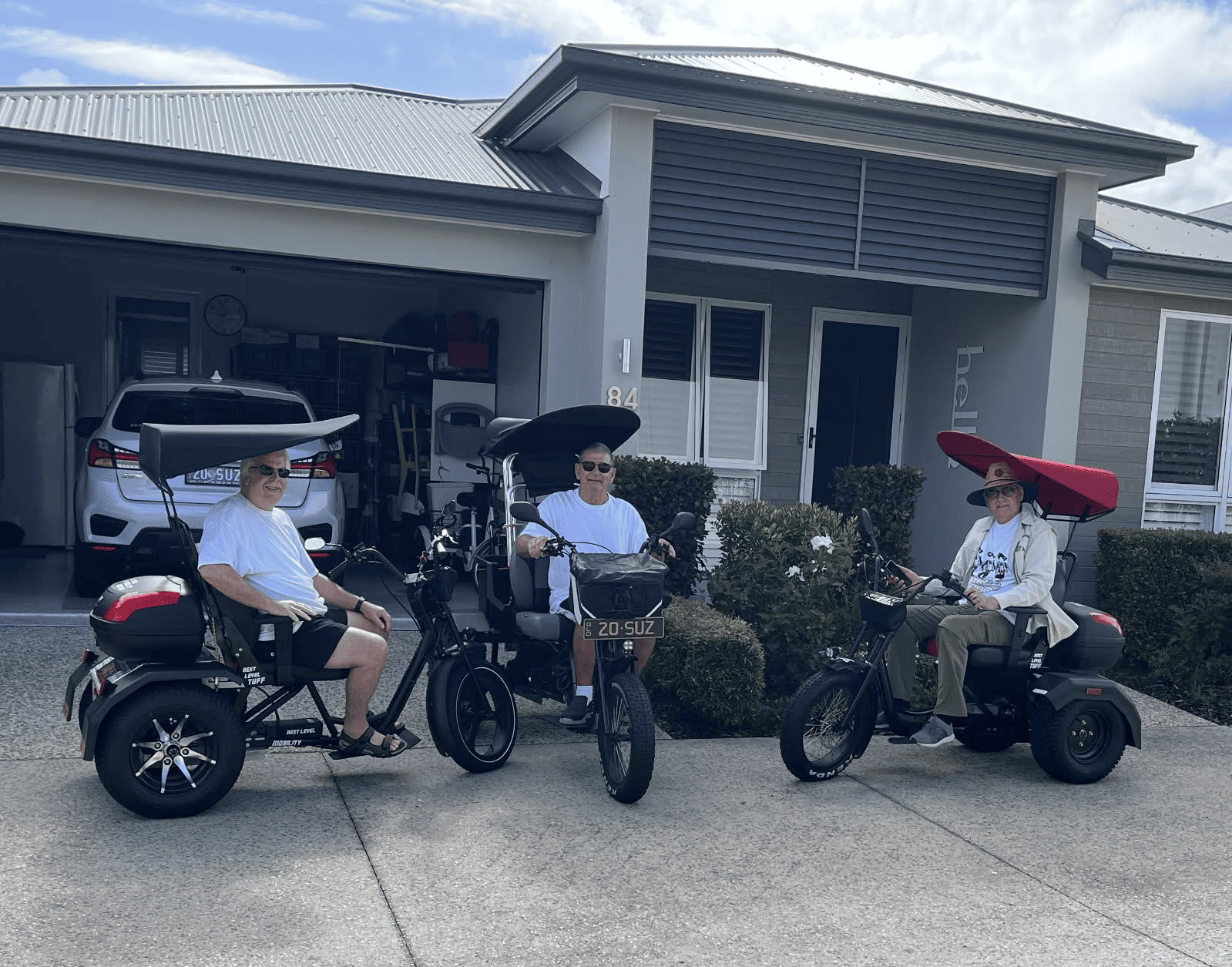
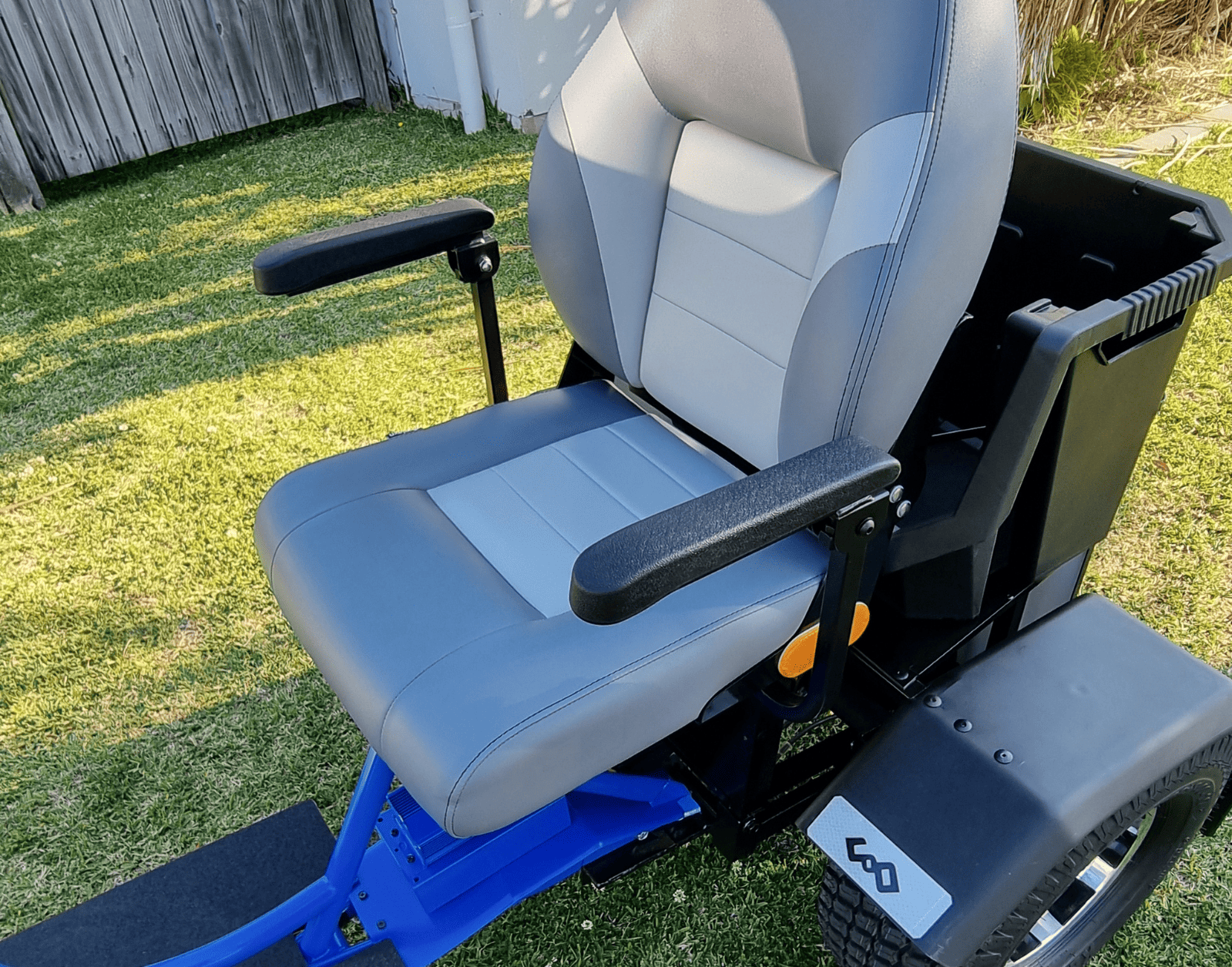
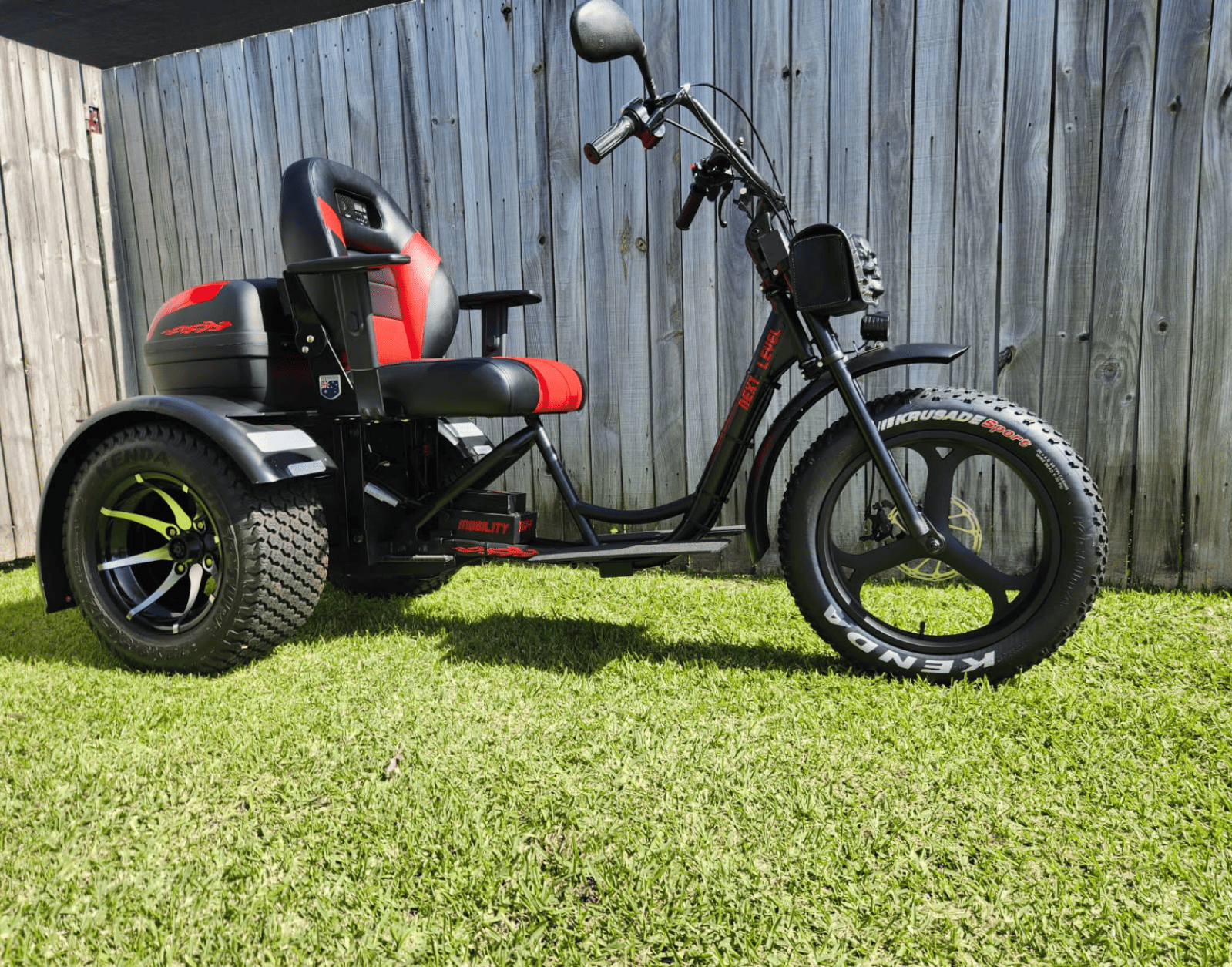
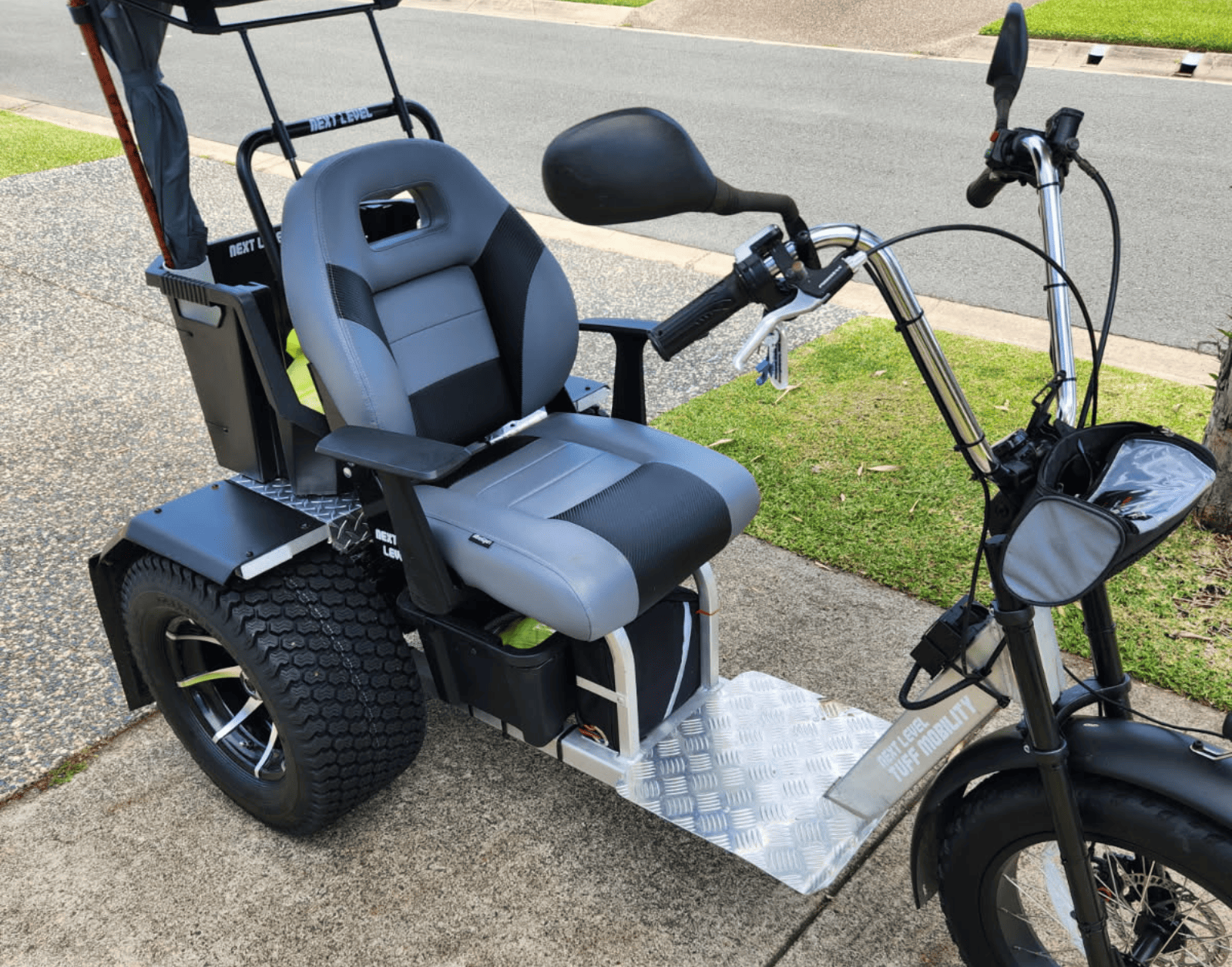
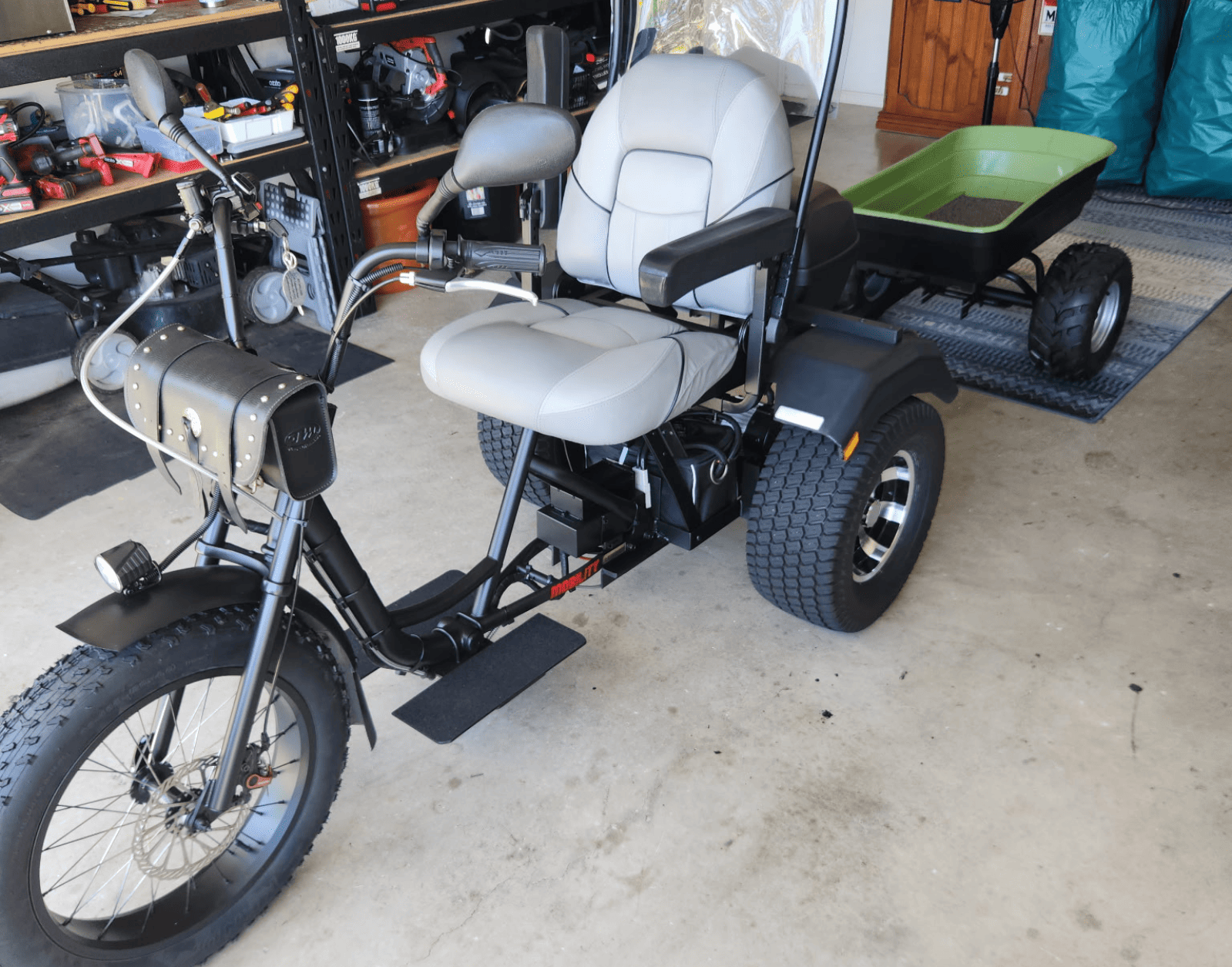
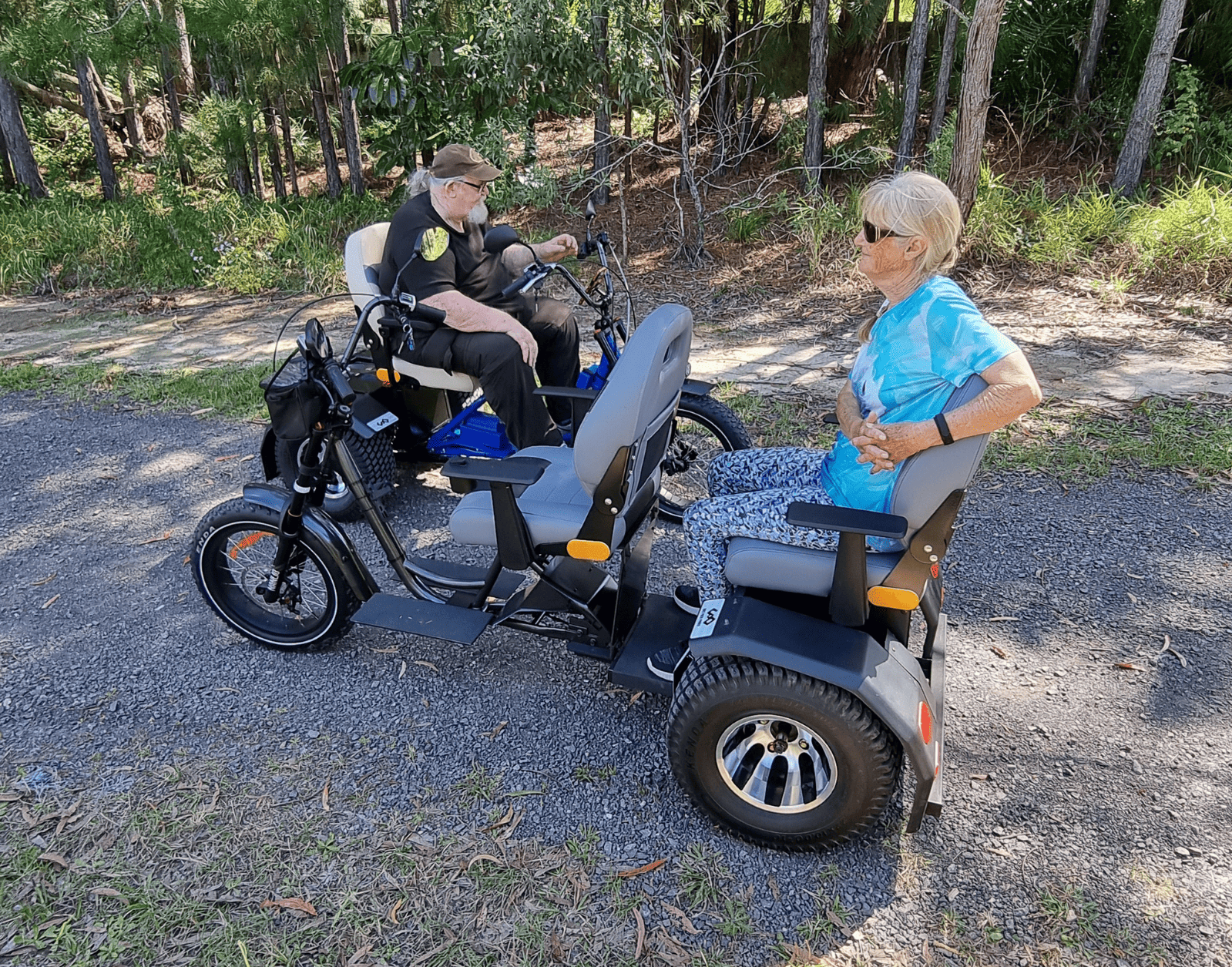
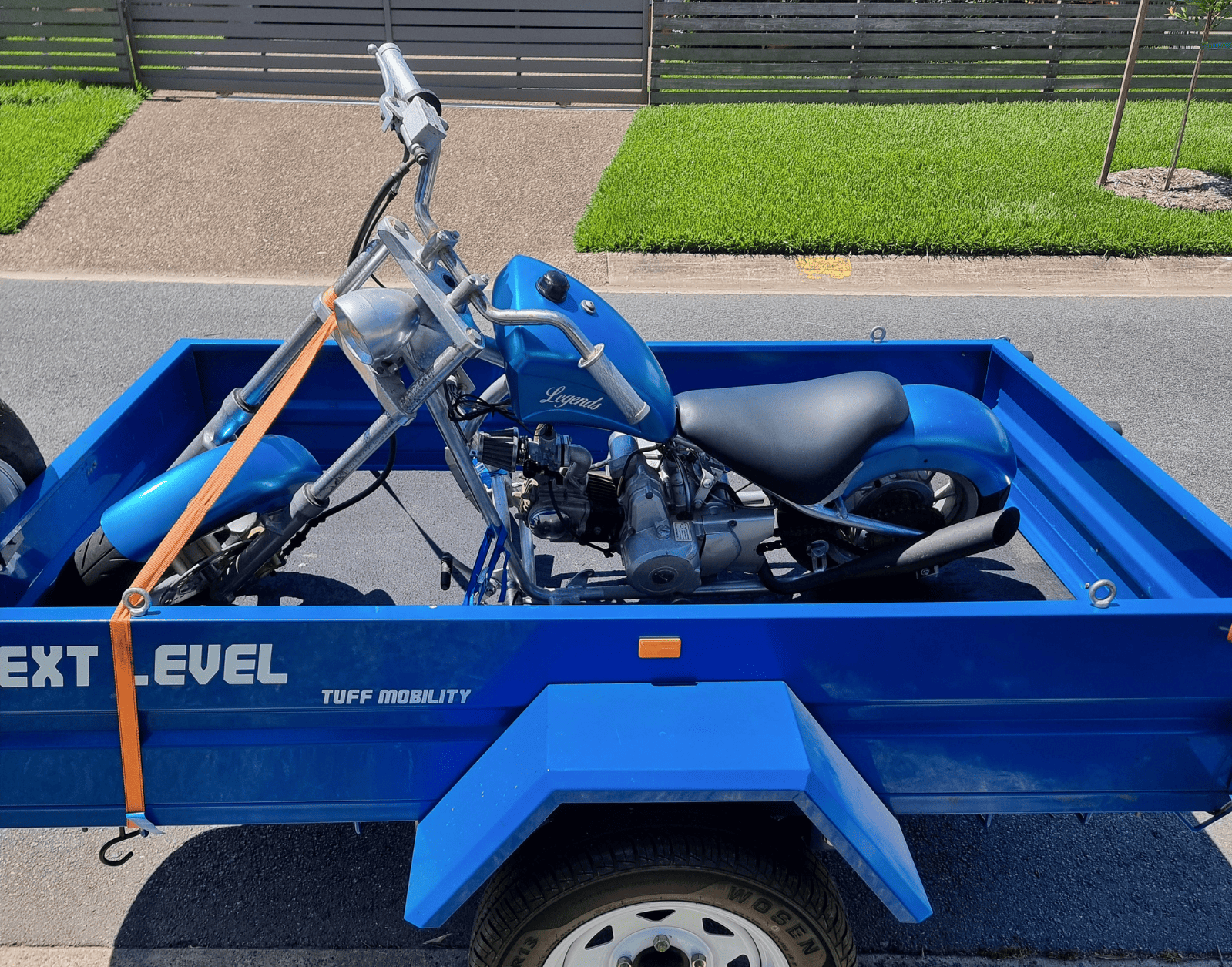
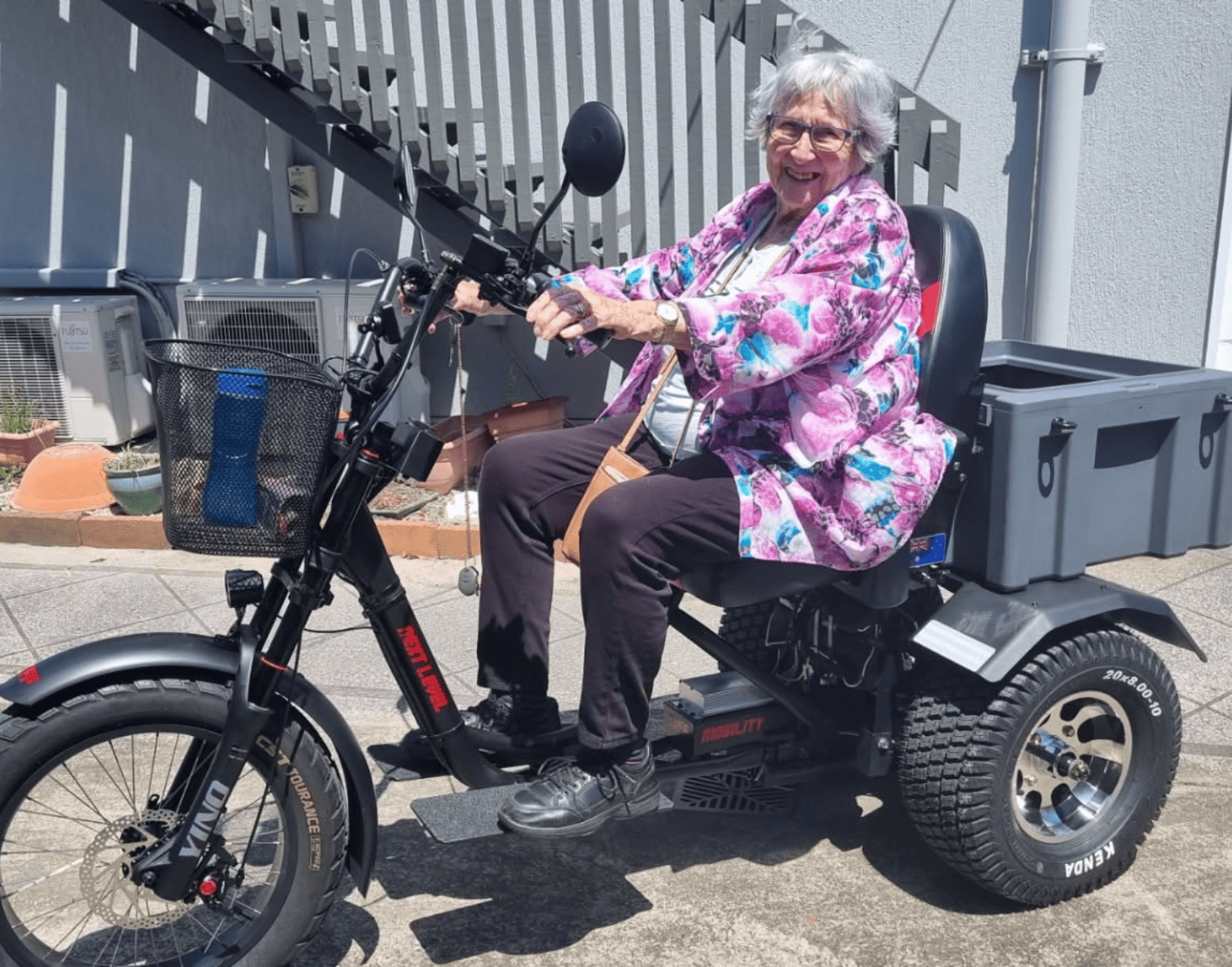
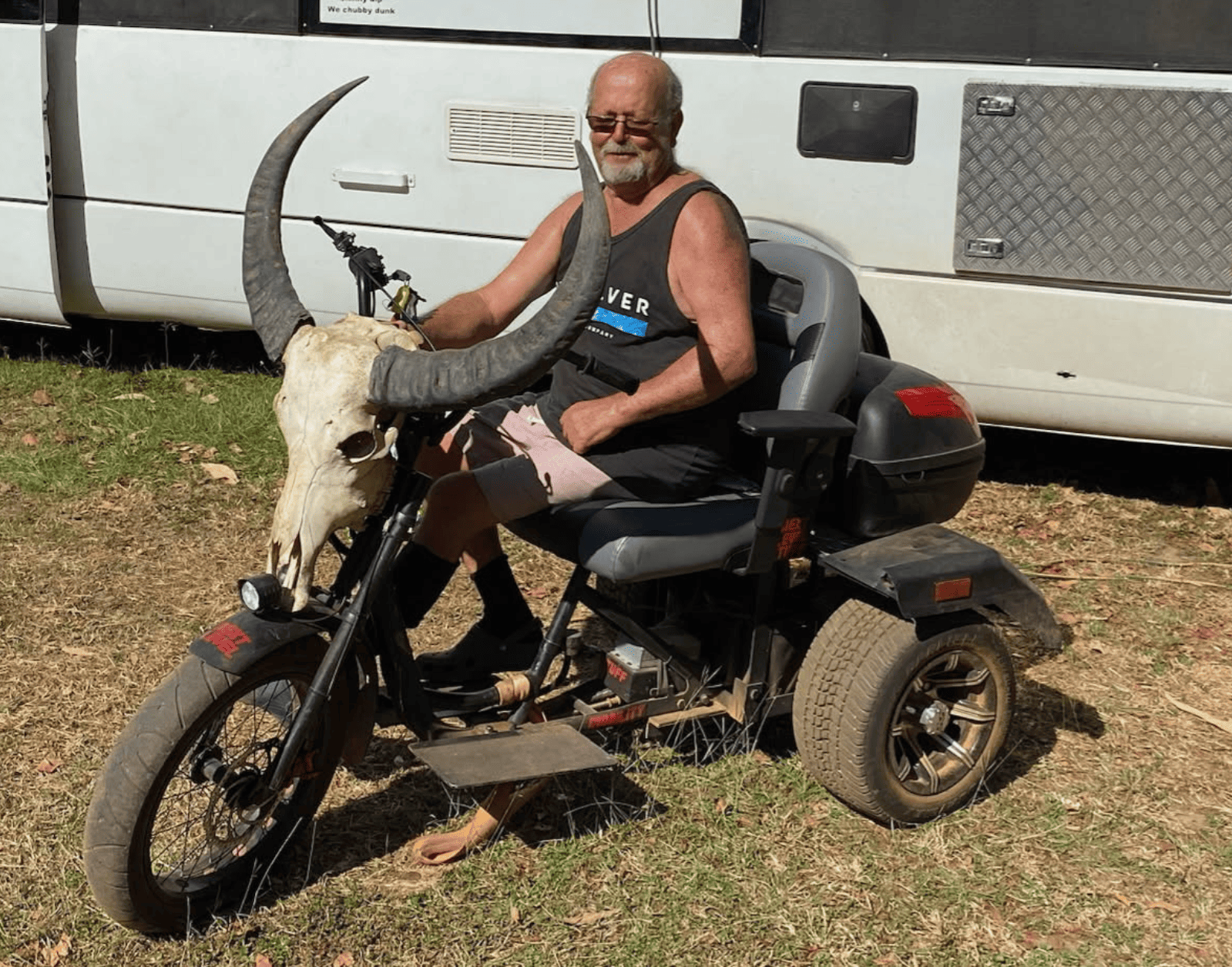
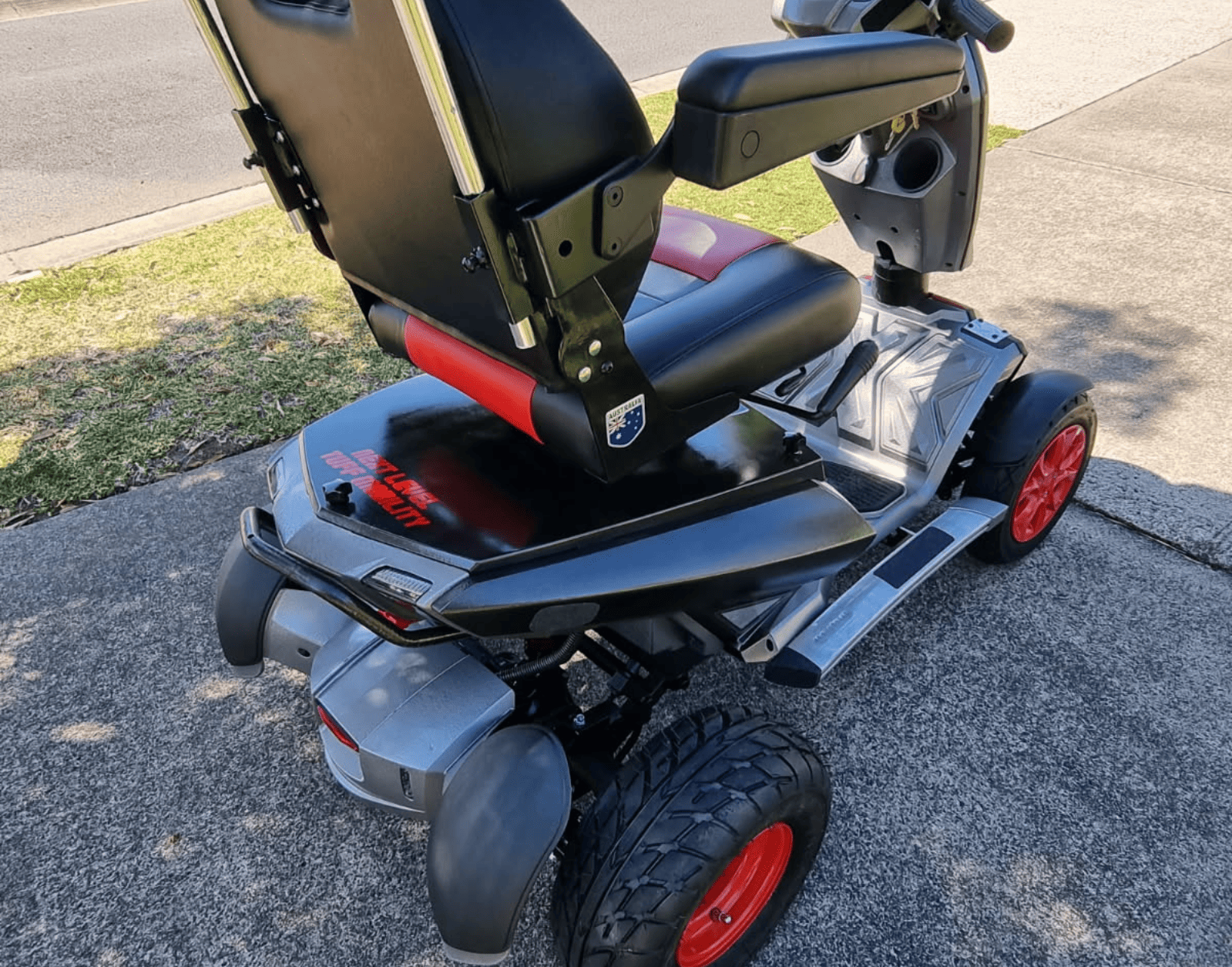
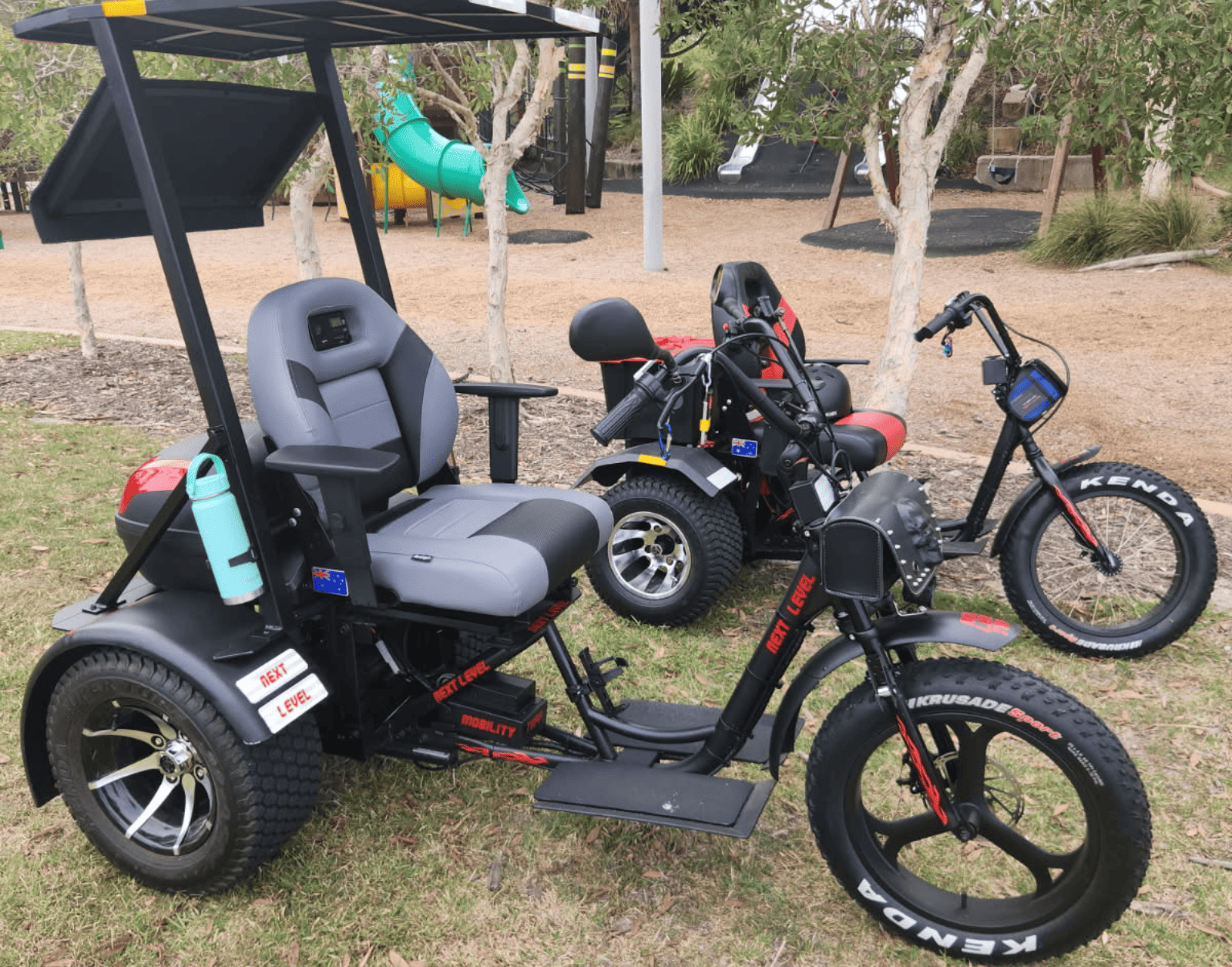
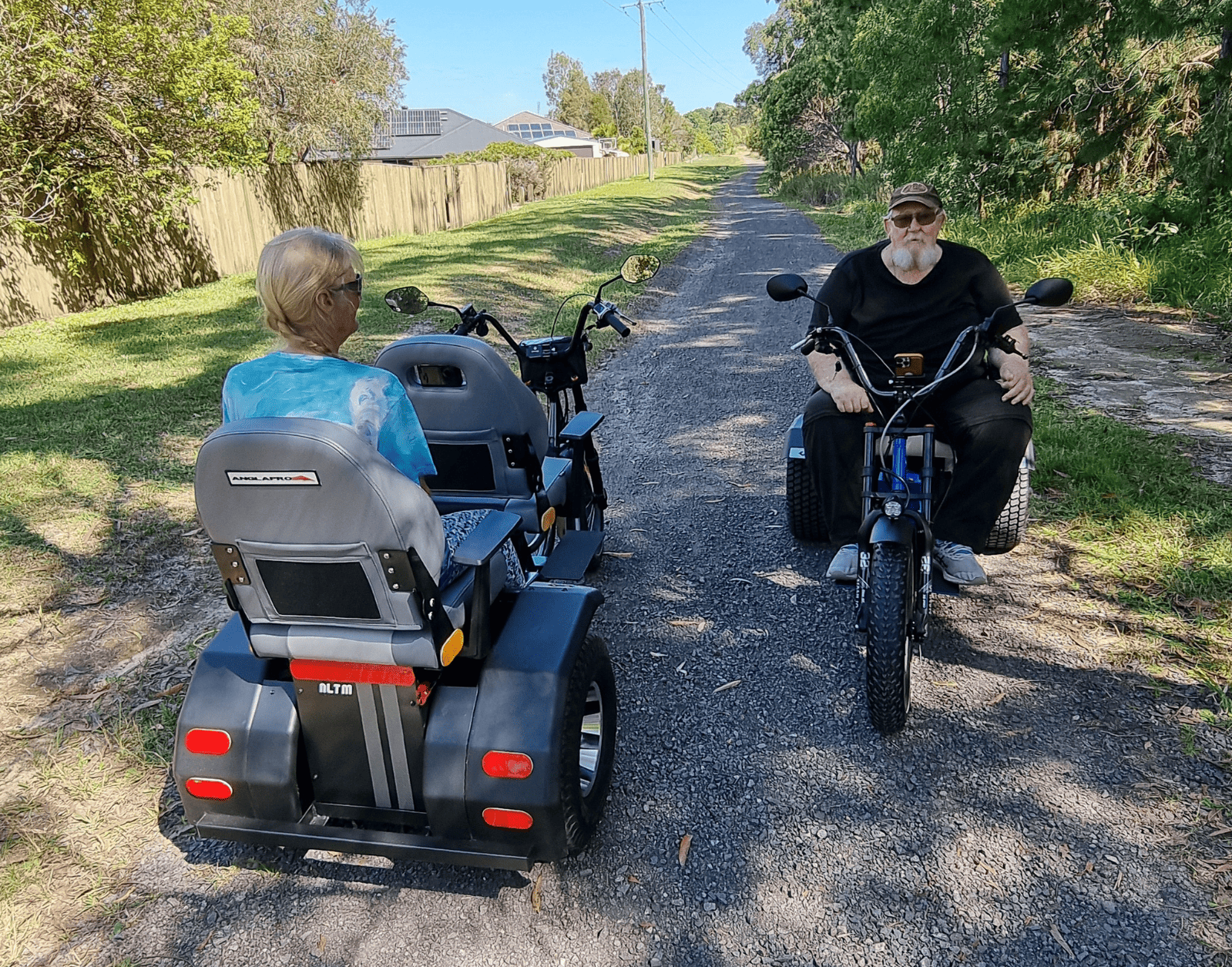
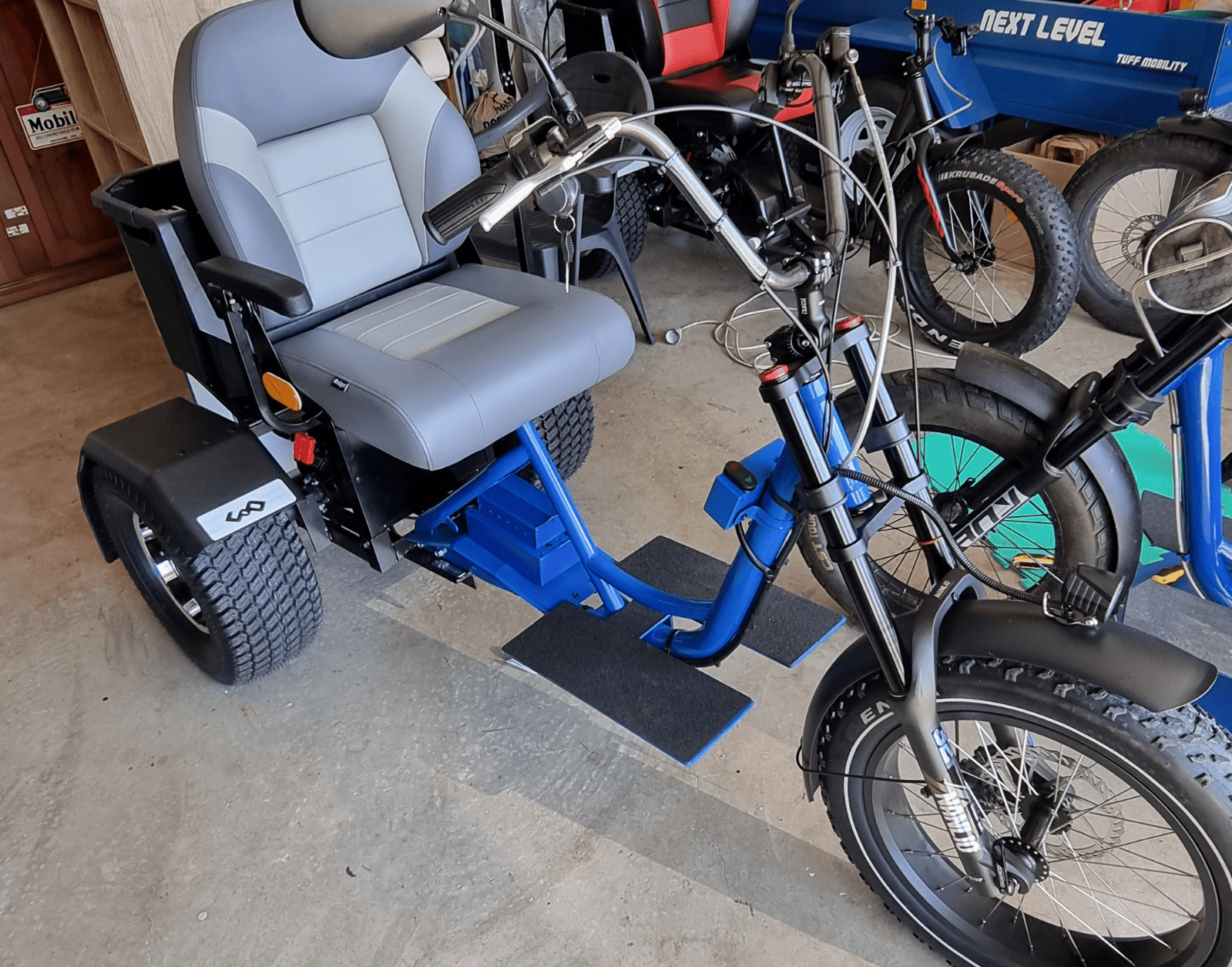
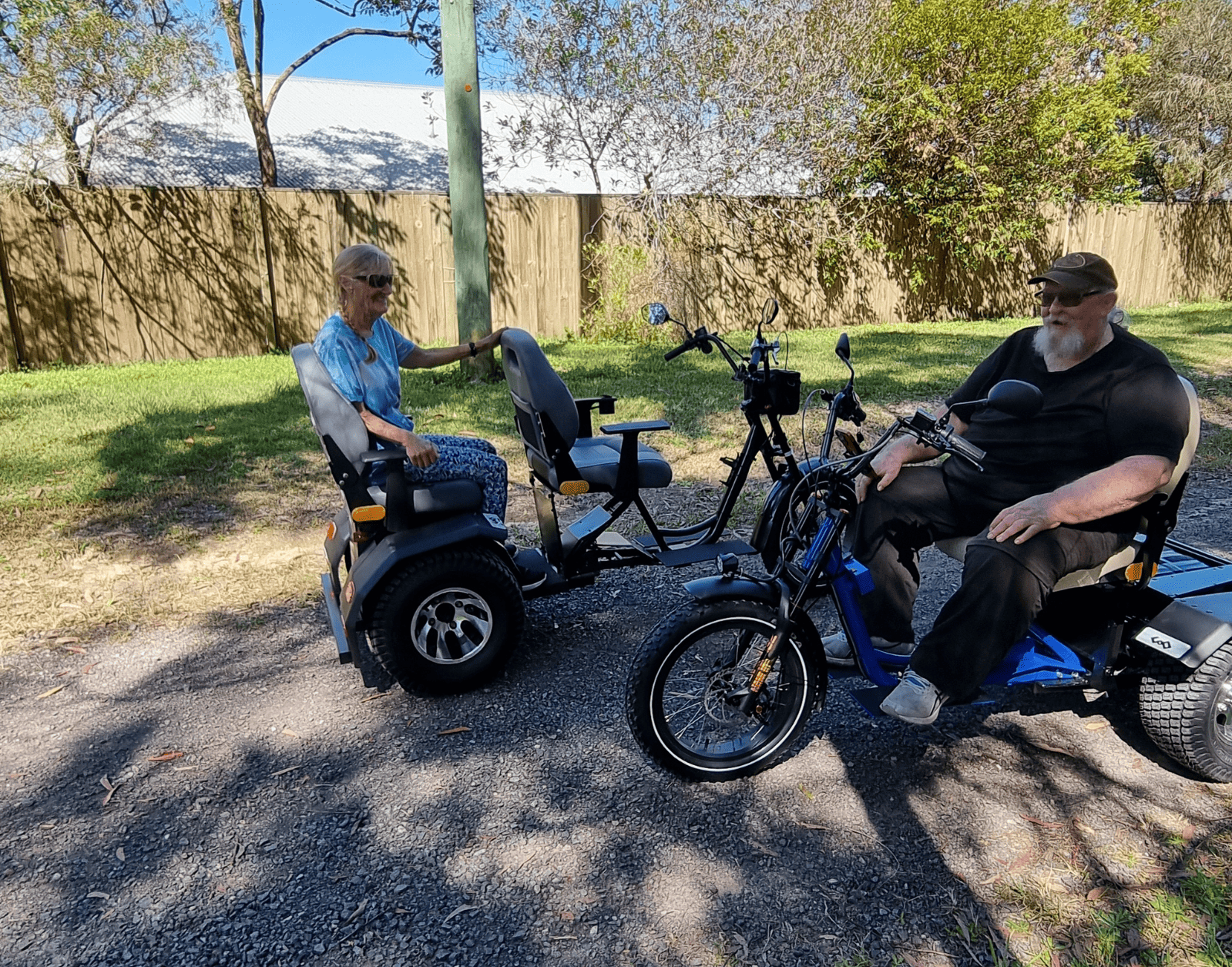
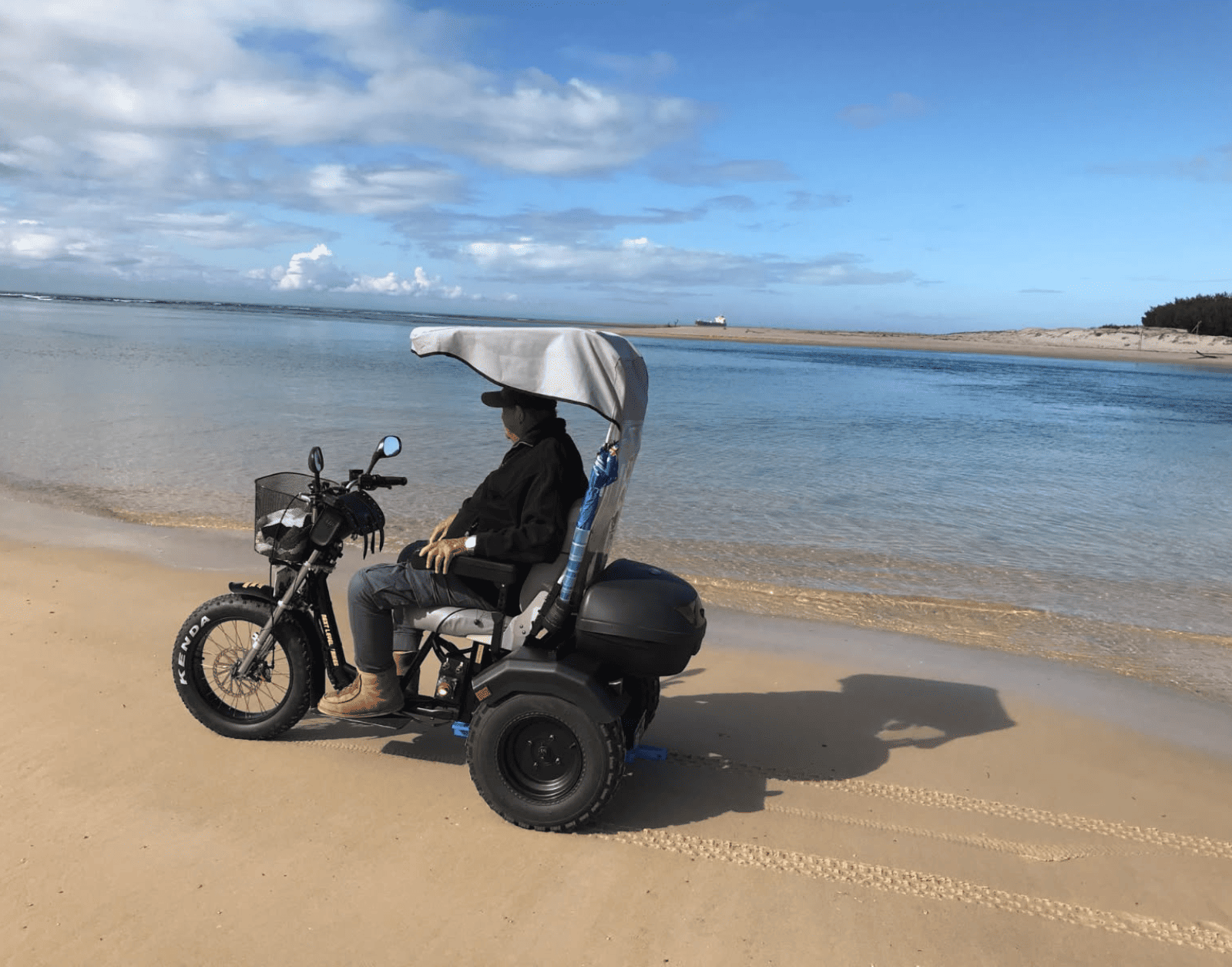
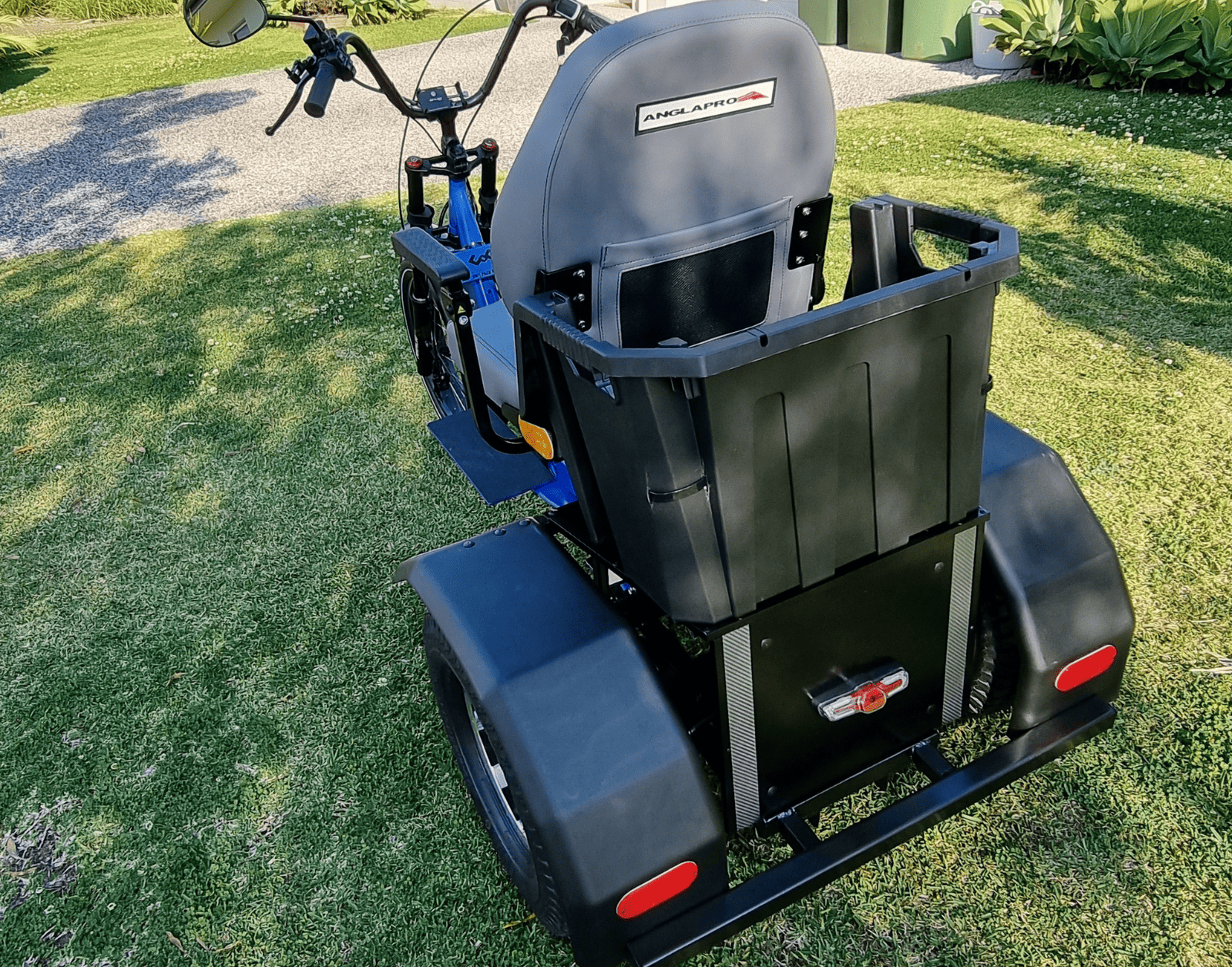
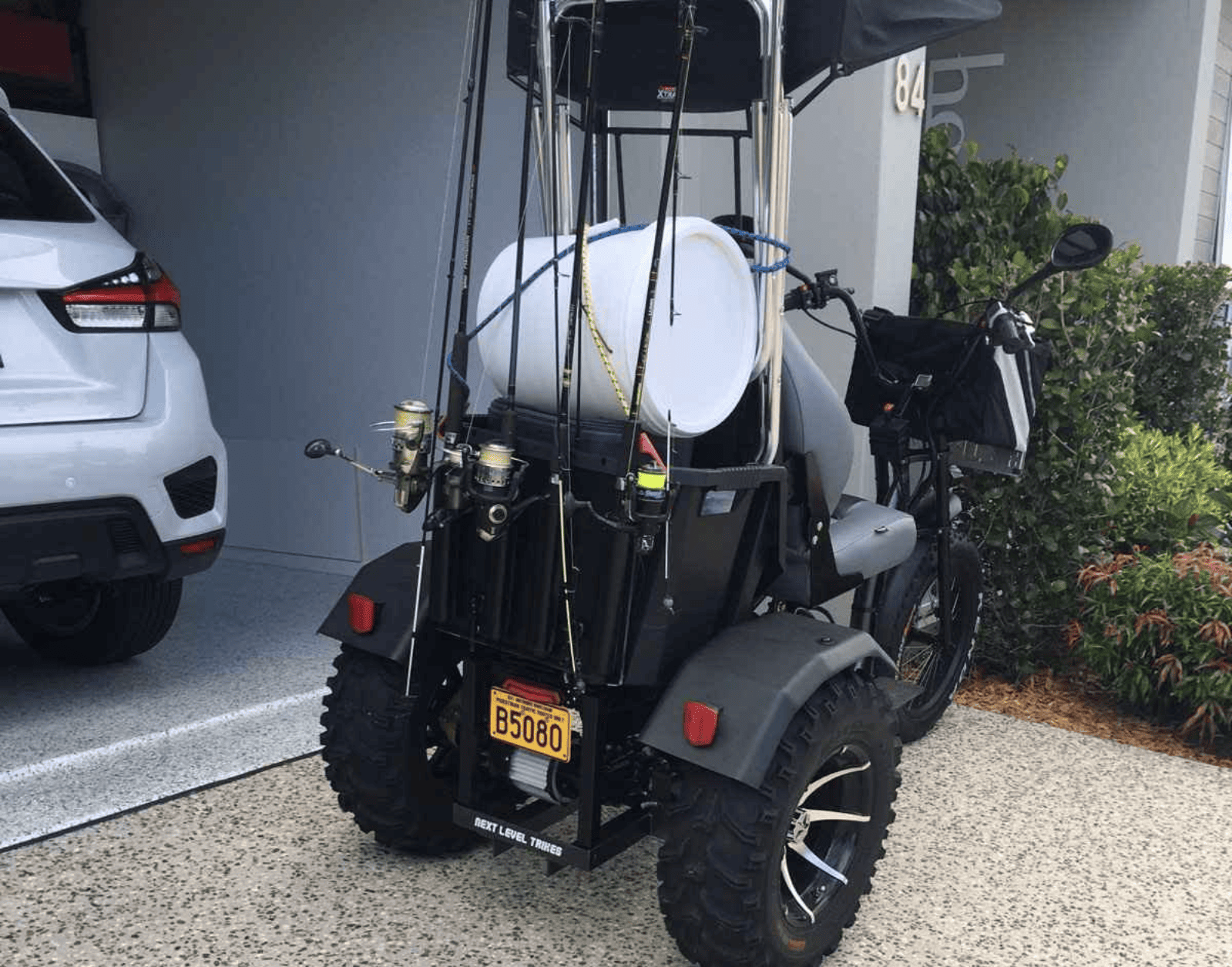
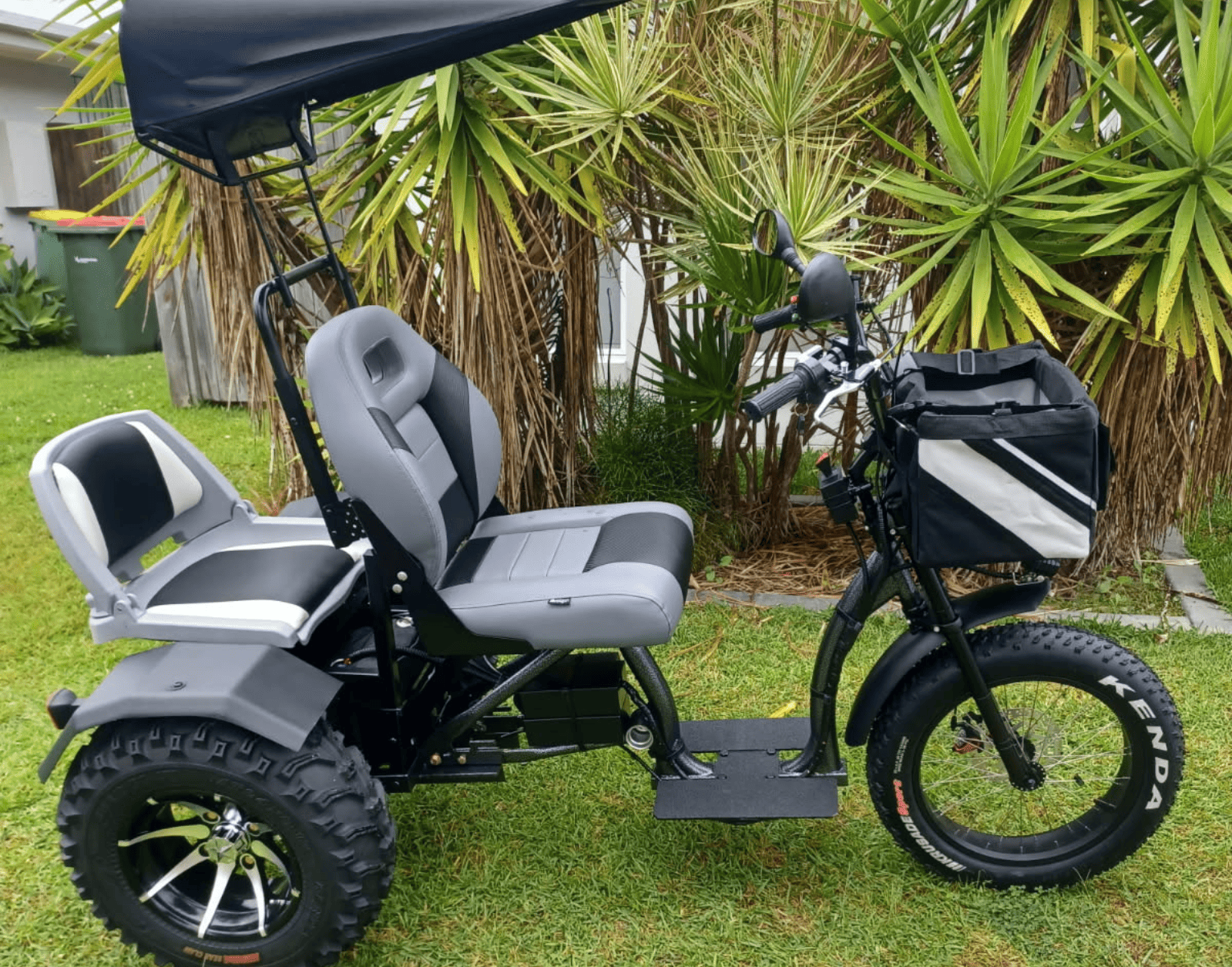
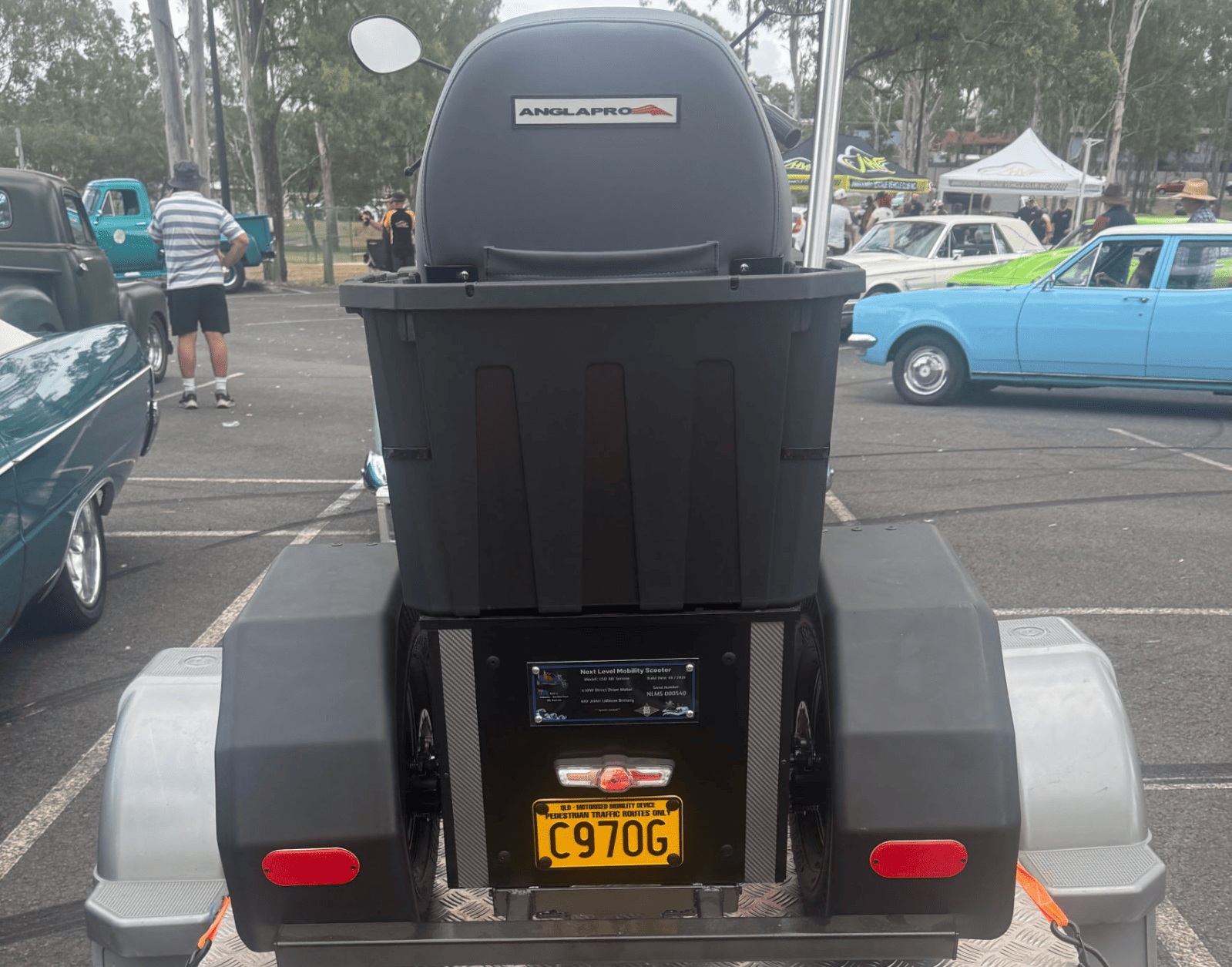
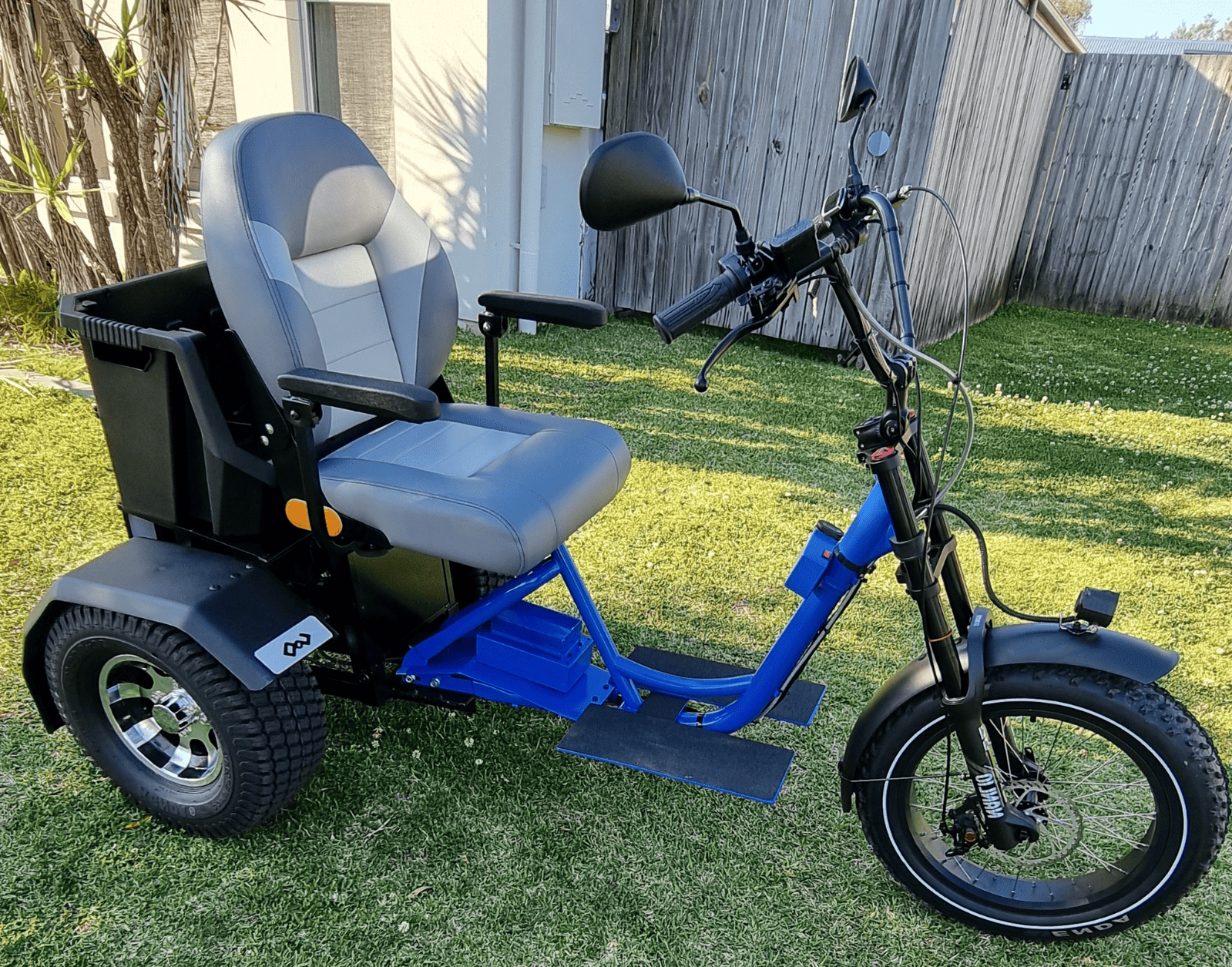
Road Rules & Code of Conduct in Australia
Who Can Use Them
Mobility devices are intended for people who require assistance due to mobility difficulties.
Speed Limit
Devices must not exceed 10 km/h on level ground.
Pedestrian Classification
Users are legally considered pedestrians.
Footpath Use
Always use footpaths where available and give way to pedestrians.
Substance Prohibition
Never operate mobility devices under the influence of alcohol or drugs.
Registration
Registration requirements vary between states and territories.
State-Specific Guidelines

Mobility scooter regulations vary between Australian states and territories. While core safety rules remain similar, some regions have additional requirements such as registration.
Always check your local transport authority for the latest guidelines.
Queensland – Registration is Mandatory
In Queensland, electric mobility devices such as mobility scooters and motorised wheelchairs must be registered if they are used on public footpaths, shared pathways, or when crossing roads. These devices are classified as motorised mobility devices under Queensland law. Registration is free of charge and includes Compulsory Third Party (CTP) insurance, provided the device meets the required criteria. Registration helps ensure that mobility device users are protected in the event of an accident and allows them to travel safely and legally in public areas.
When Registration Is Required in Queensland
Registration is required if the mobility device:
- Is used outside the home, including on footpaths or when crossing roads
- Is an electric mobility scooter or motorised wheelchair
- Is designed for people with mobility difficulties
- Has a tare weight of 150 kg or less
- Has a maximum speed of 12 km/h or less on level ground
Key Benefits of Registration
- Free registration through the Queensland Department of Transport
- Compulsory Third Party (CTP) insurance included
- Protection for personal injury claims in the event of a crash
- Allows safe and legal use of the device in public spaces
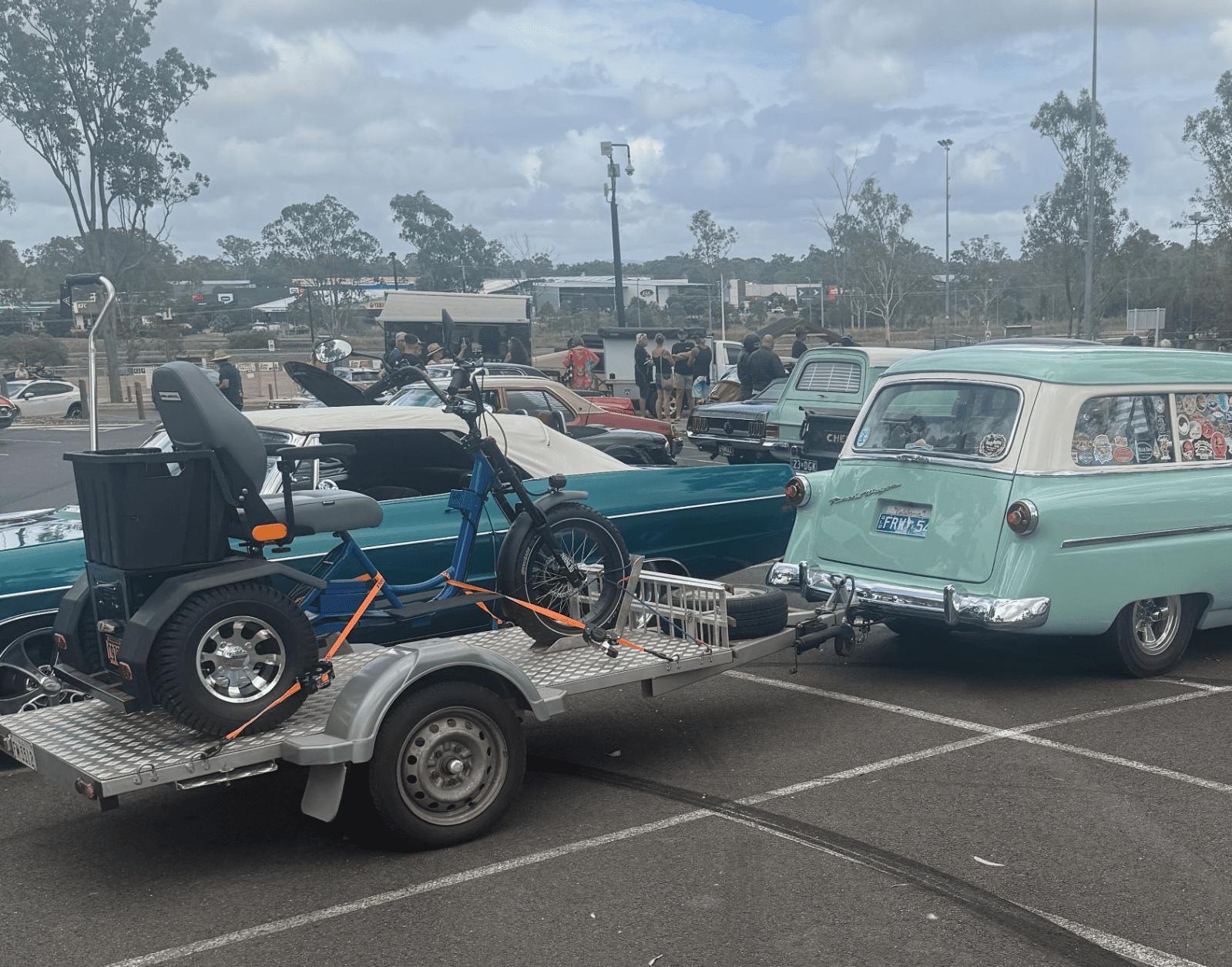
Moving your mobility device
Protect Electronics
Remove the ignition key and isolate the battery.
Use a Ramp or Trailer
Use mobility-specific trailers and loading ramps.
Check Weight
Ensure your vehicle or trailer can support the device.
Secure the Device
Use heavy-duty straps to prevent movement during transport.
CONTACT US
Get in touch with our team for pricing, product information, and support.