
Tuff Mobility Training Course
Tuff Mobility a division of WG Podz Pty Ltd helping people to gain their freedom.
Tuff Off-Road Mobility Devices – https://tuffmobility.au
Independent Living Solutions – https://wgpodz.au
An Awareness Course for new Mobility Device Operators
Queensland Registration
- In Queensland, mobility scooters must be registered with the Department of Transport & Main Roads, free of charge.
- To be registered, the scooter design must be approved by TMR.
- All Tuff mobility devices that are delivered in Queensland arrive already registered.
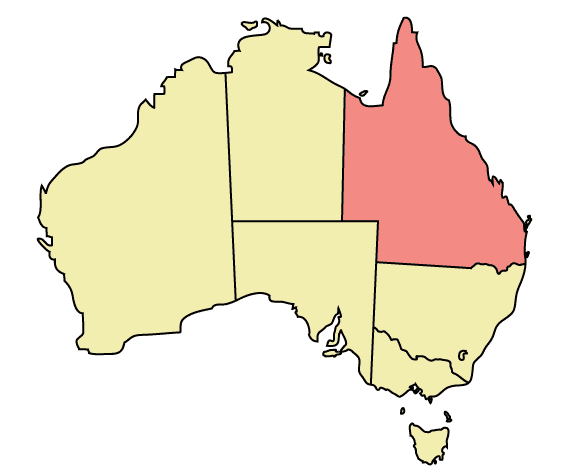
Important Information – The Transfer of Registration is your Responsibility
Remember, each year Registration must be renewed. TMR will send you a reminder, but it is free of charge.
What does the Registration cover?
Compulsory third-party insurance free of charge. This provides coverage if a user causes injury to another person while on a road-related area such as a footpath.
Rules for Motorised Mobility Device Use
An individual’s ability to control a mobility device should be checked on a regular basis.

You do not need a driver licence to use a mobility scooter or motorised wheelchair.
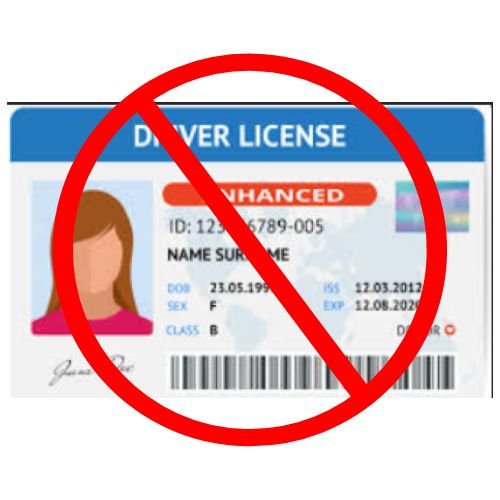
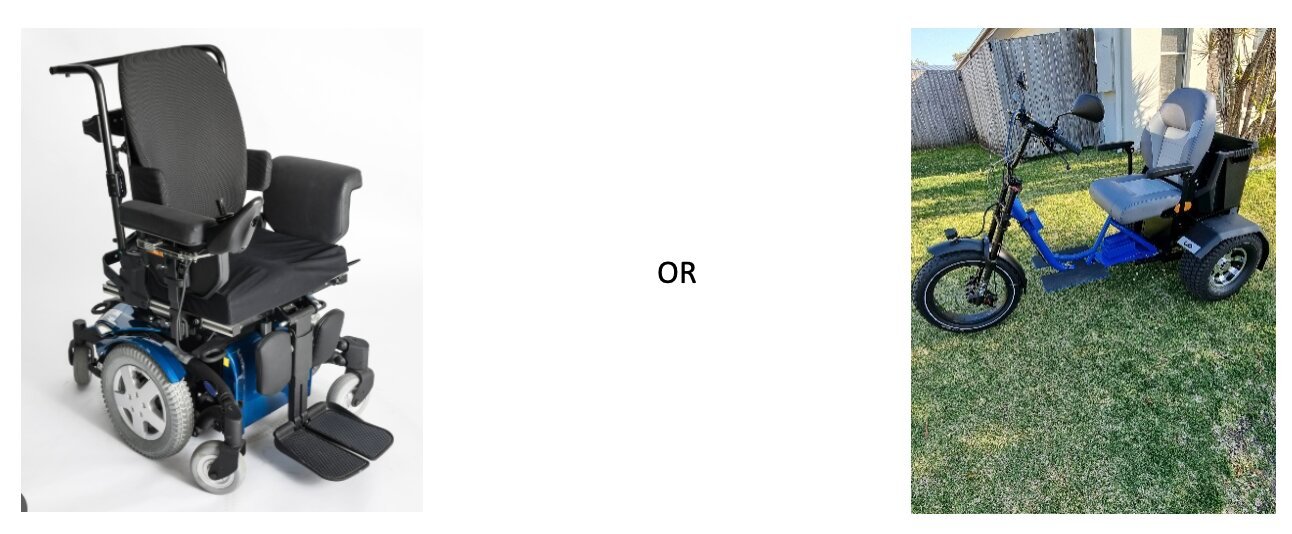
A motorised mobility device is a motorised wheelchair or a mobility scooter.
When using a motorised mobility device outside of the home, you are a pedestrian.

Motorised Mobility Devices provide benefits to people with disability or physical limitations.
Enabling independent travel
Providing a way for people to access:
- Employment,
- Essential Services,
- Recreation,
- And to maintain social networks.
You should use your scooter on the:
- Footpath,
- Bicycle path,
- Shared paths and nature strips,
- Grass Verges between the footpath and the road, if possible.

SAFETY ALWAYS COMES FIRST
- Exercise care to prevent injury or harm to others.
- Users should be able to operate the motorised wheelchair safely.
- These rules also apply to any operator even a child.
- Never operate these devices under the influence of alcohol or drugs.
Use of a motorised Mobility Device
These rules also apply to any operator even a child.
You can allow another person with mobility difficulties to use your device.
You must make them aware of the rules – give them access to this course.


The Person in Control of the Device MUST
Ensure the safety of others.
You MUST comply with road rules.
Be capable of safely operating the device.
Exercise due care and attention.
Use the footpath or nature strips, or if the footpath or nature strip is unsuitable, then you may use a road.
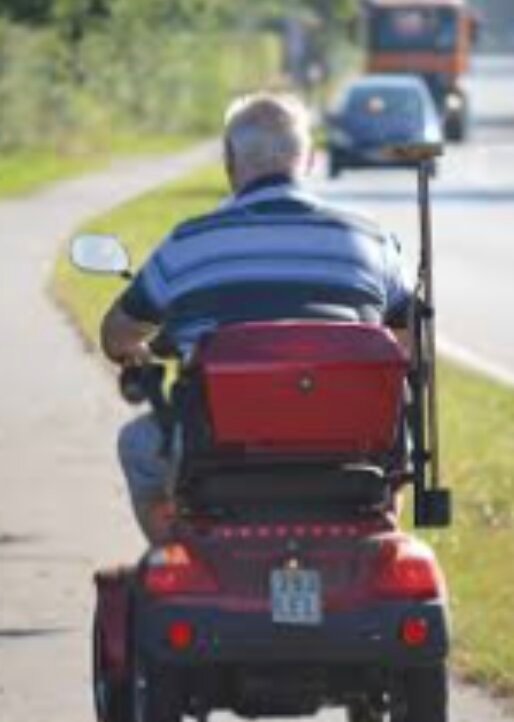
Travel as close as possible to the side of the road.
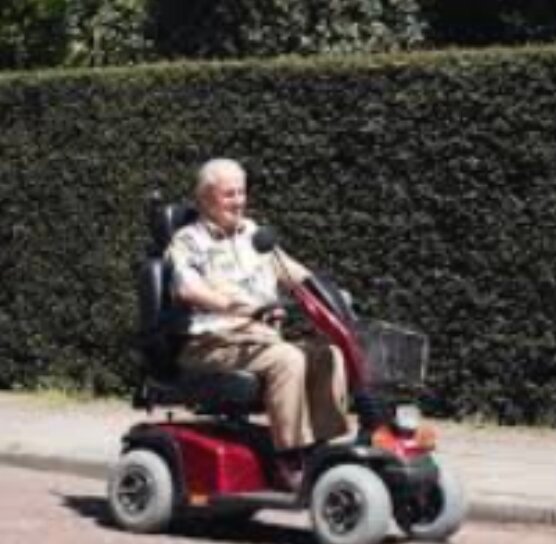
Face oncoming traffic, if possible, to do so.
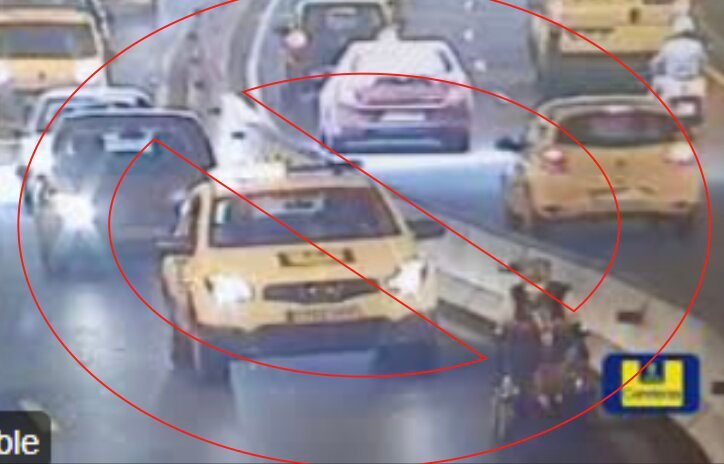
Travel as close as possible to the side of the road.
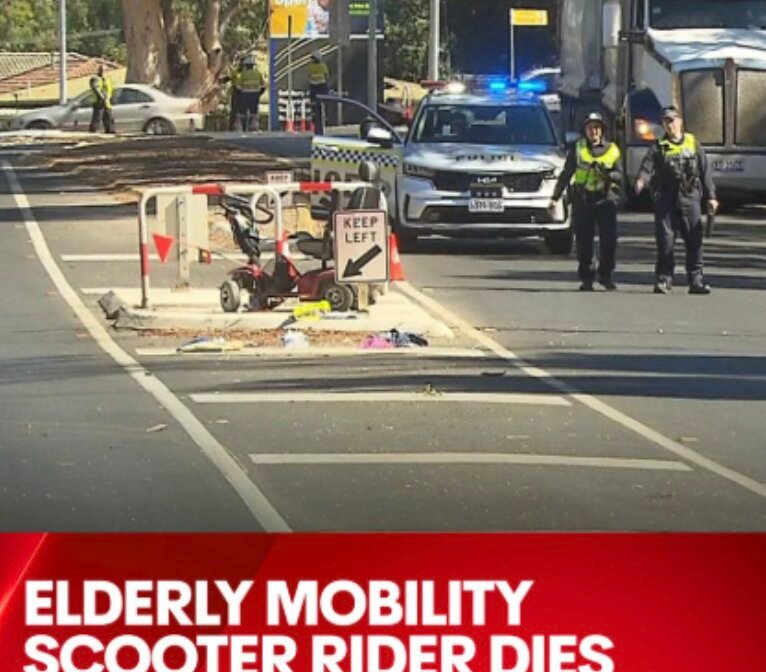
Use a crossing or lights where available.
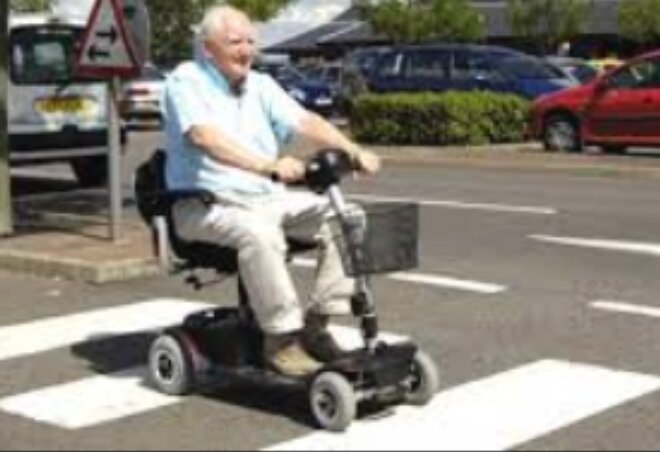
Do not stay on the road longer than needed.
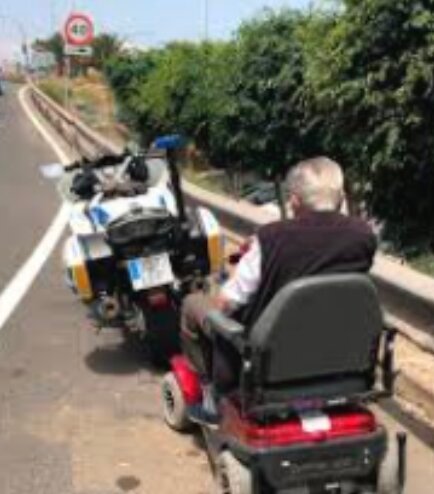
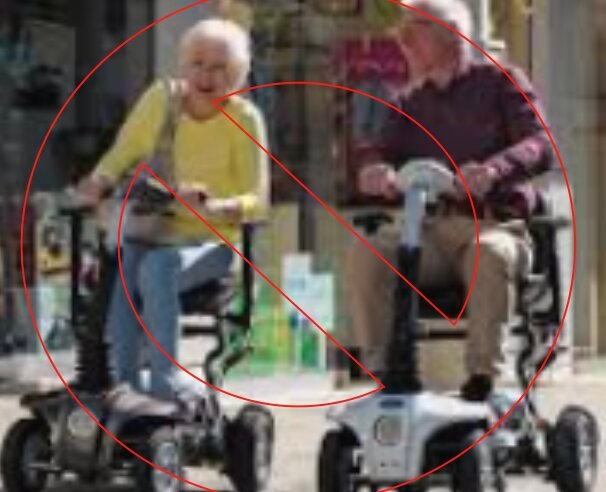
Not travel on the road beside more than one other pedestrian or vehicle travelling on the road in the same direction, unless it is necessary to overtake other pedestrians.
Motorised Mobility Device Use – Additional information
Organisations
The Mobility device is to be used only by the organisation’s residents, shoppers, students or hirers who:
- As the controller of the device are capable of safely operating the device
- Will be made aware of the Road Rules.
Carers
The device is to be used by a carer who:
- As the controller of the device are capable of safely operating the device
- Are aware of and will abide by the Road Rules.
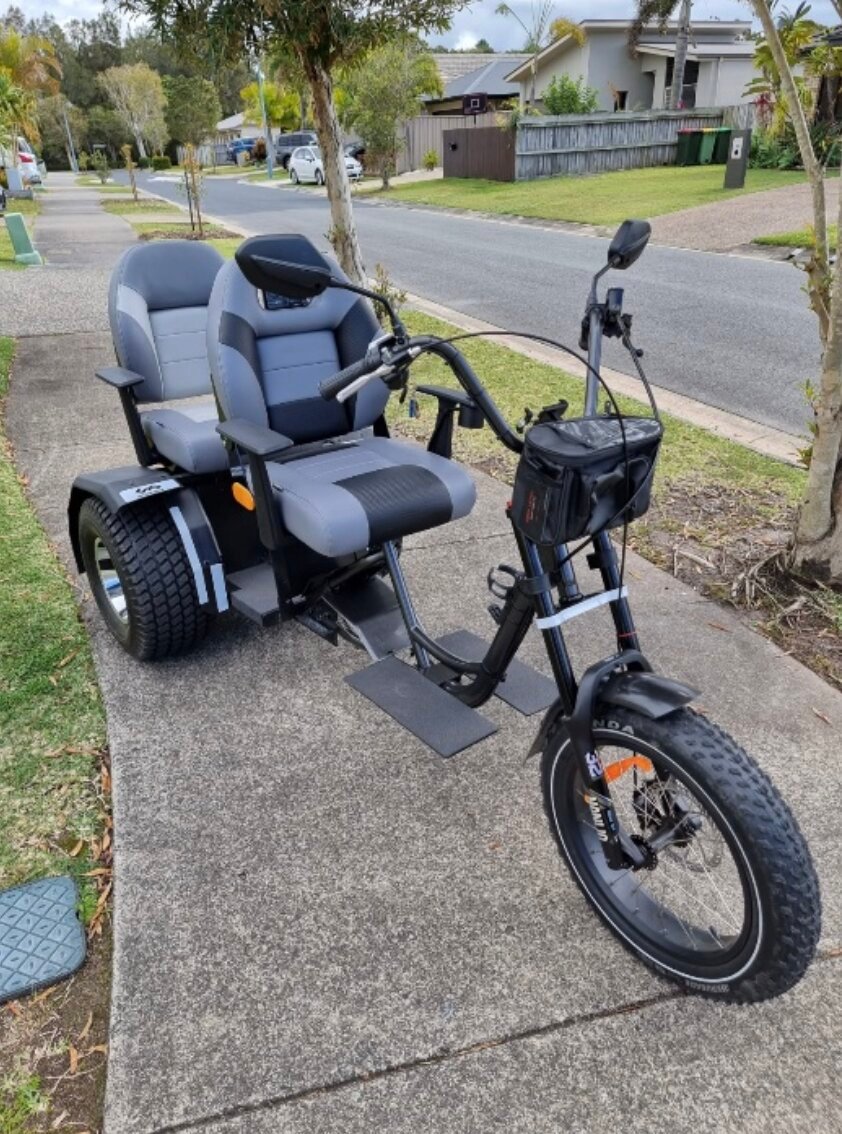
Who does operating include?
The person controlling the device.
Specialty Rules for Use – State by State
NSW and the NT have some special rules
NSW
Users must be unable to walk or have difficulty in walking to be able to lawfully
use a motorised wheelchair on a footpath, public road or in a road related
area.
NT
A motorised mobility device cannot legally be driven on a road.
In remote areas, where there is a lack of footpath infrastructure these devices
are frequently used on roadways.
Accessing Public Transport
Consider Tuff Mobility may have access issues on Public Transport.
Transporting Your Mobility Device
To help you transport your mobility aid safely and confidently, follow these essential tips and general guidelines.
Transporting by Car or Trailer
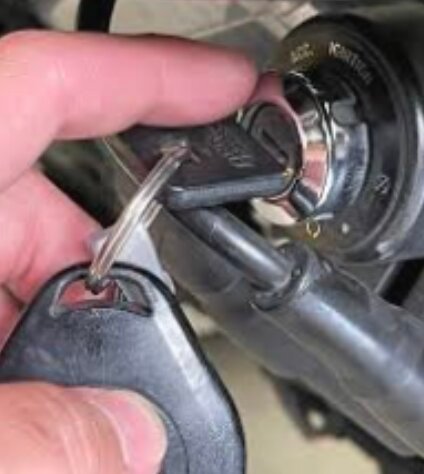
1. Protect Your Electronics
Remove the ignition key.
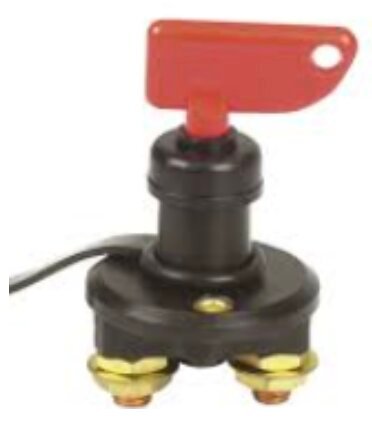
Isolate the battery using the isolation switch.
2. Check Weight and Dimensions
Before transporting your device, make sure your vehicle or trailer can safely accommodate its size and weight.
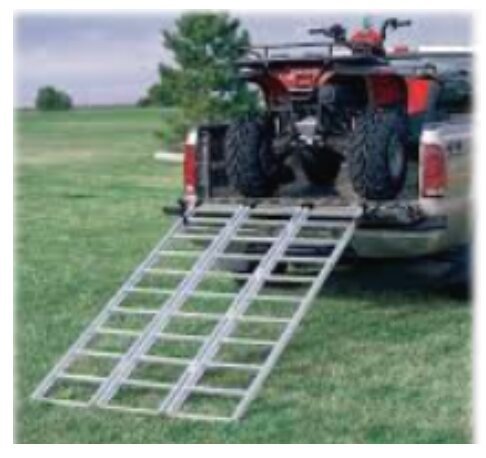
3. Use a Mobility Trailer or Ramp
For TUFF All Terrain machines, use a carrier specifically designed for
mobility aids.
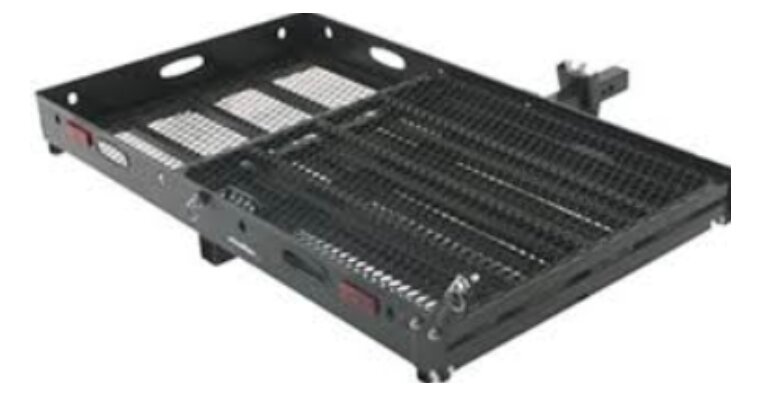
A loading ramp is essential for safe and easy access.
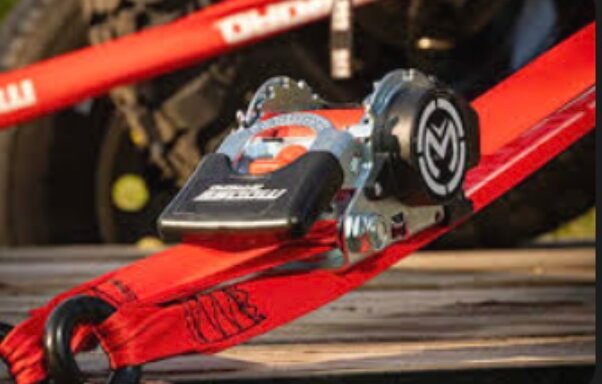
Make sure to use heavy-duty straps or tie-downs to secure your mobility aid during transport.
Routine Checks Before Travel
Ensure your TUFF mobility scooter receives a proper check before you set off.
Check these important items:
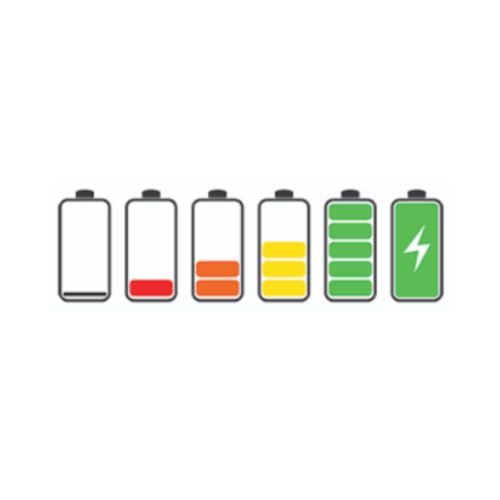
Batteries are fully charged.
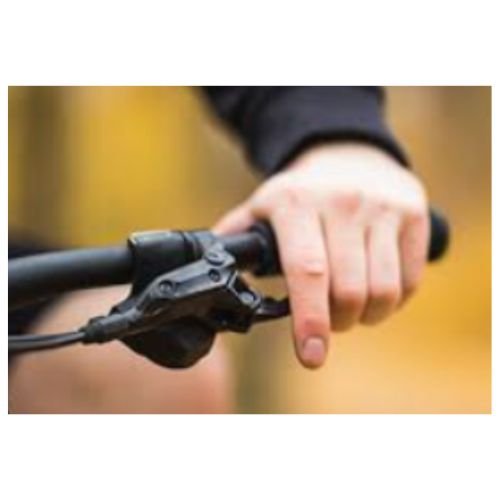
Brakes are secure and functioning properly.
Disability Discrimination Act
Section 23 of the Disability Discrimination Act 1992 prohibits discrimination against a person on the grounds of their disability.
This includes refusing to allow a person access to premises or use of facilities (that the public is entitled or allowed to enter or use).
The Act covers circumstances in which discriminatory terms or conditions are imposed on a person’s access or use of premises or facilities.
It also covers situations in which a person imposes discriminatory requirements as to the manner of a person’s access to premises or use of facilities, based on disability.
Determining whether a device can be used to access passenger transport can also be difficult.
Problems arise when a mobility device is found to be:
- Too heavy to use passenger ramps,
- Too wide to access doorways, or
- Unable to access allocated spaces.